

Can You Fly With Medical Marijuana? TSA’s 2026 Update Explained
Executive Summary
If you have been wondering, “can you fly with marijuana?” or “can you fly with weed if you have a medical card?” the answer has become more complicated in 2026. TSA’s public guidance now lists medical marijuana as allowed in both carry-on and checked bags with “Special Instructions,” but those instructions are not fully explained on TSA’s site. That means patients should not treat the update as blanket permission to pack cannabis without thinking through state laws, product type, documentation, destination rules and airport enforcement.
The biggest change is not that marijuana is suddenly risk-free at the airport. Instead, the update reflects a shift in how TSA presents medical marijuana to travelers while still keeping screening decisions tied to federal law, checkpoint discretion and local law enforcement when needed. For medical cannabis patients, the safest practical takeaway is this: a valid medical marijuana card may help document your patient status, but it does not automatically make it safe or legal to fly with cannabis in every situation.
Why TSA’s Medical Marijuana Update Matters for Patients
Flying with marijuana has always existed in a confusing space between state cannabis laws and federal travel rules. Many patients legally buy medical cannabis in their home state, but airports, airplanes and international borders involve federal agencies, airline policies and other jurisdictions. That is why a simple question like “can I fly with weed?” often has a more complicated answer than patients expect.
The recent TSA language update is meaningful because it changes the way medical marijuana appears in TSA’s public-facing “What Can I Bring?” tool. However, it does not erase the larger legal gray area around cannabis travel. TSA screening is focused on aviation safety, not actively searching for drugs, but TSA officers can still refer suspected illegal substances to law enforcement if marijuana is discovered during screening.
Patients should also think beyond the airport checkpoint. The rules in your departure state, destination state and any connecting airport may matter. Medical marijuana reciprocity can also vary by state, which means your medical card may help in one place but offer little or no protection in another. Green Health Docs has a helpful guide on medical marijuana reciprocity for patients who want to understand how state-to-state recognition can work.
This guide explains what changed, what did not change and what medical marijuana patients should know before traveling. It is intended for general educational purposes only and should not be treated as legal advice.
What Changed With TSA’s Medical Marijuana Guidance?
TSA’s “What Can I Bring?” tool now lists medical marijuana as permitted in carry-on bags and checked bags, with the phrase “Yes (Special Instructions)” appearing for both. That is a notable change because prior public guidance emphasized marijuana’s federal restrictions more directly. The new language appears to soften how TSA presents medical marijuana to travelers, but it does not provide a detailed checklist for what counts as compliant medical cannabis at the checkpoint.
That lack of detail is important. TSA does not currently provide a clear national quantity limit, a specific documentation requirement or a step-by-step explanation of how an officer should distinguish a medical marijuana product from an adult-use product. In practical terms, this means patients still need to be cautious. A product may be legal under one state’s medical program, but that does not mean every airport, officer, airline or destination will treat it the same way.
The broader policy backdrop also matters. Federal cannabis policy has been shifting, including movement around marijuana scheduling and narrower treatment of certain FDA-approved or qualifying state-licensed medical marijuana products. For patients, this can make the issue feel less black-and-white, but it does not erase the need to follow applicable laws. Patients who want a broader view of state-level access can also review Green Health Docs’ guide to medical marijuana states.
Can You Fly With Weed in the U.S.?
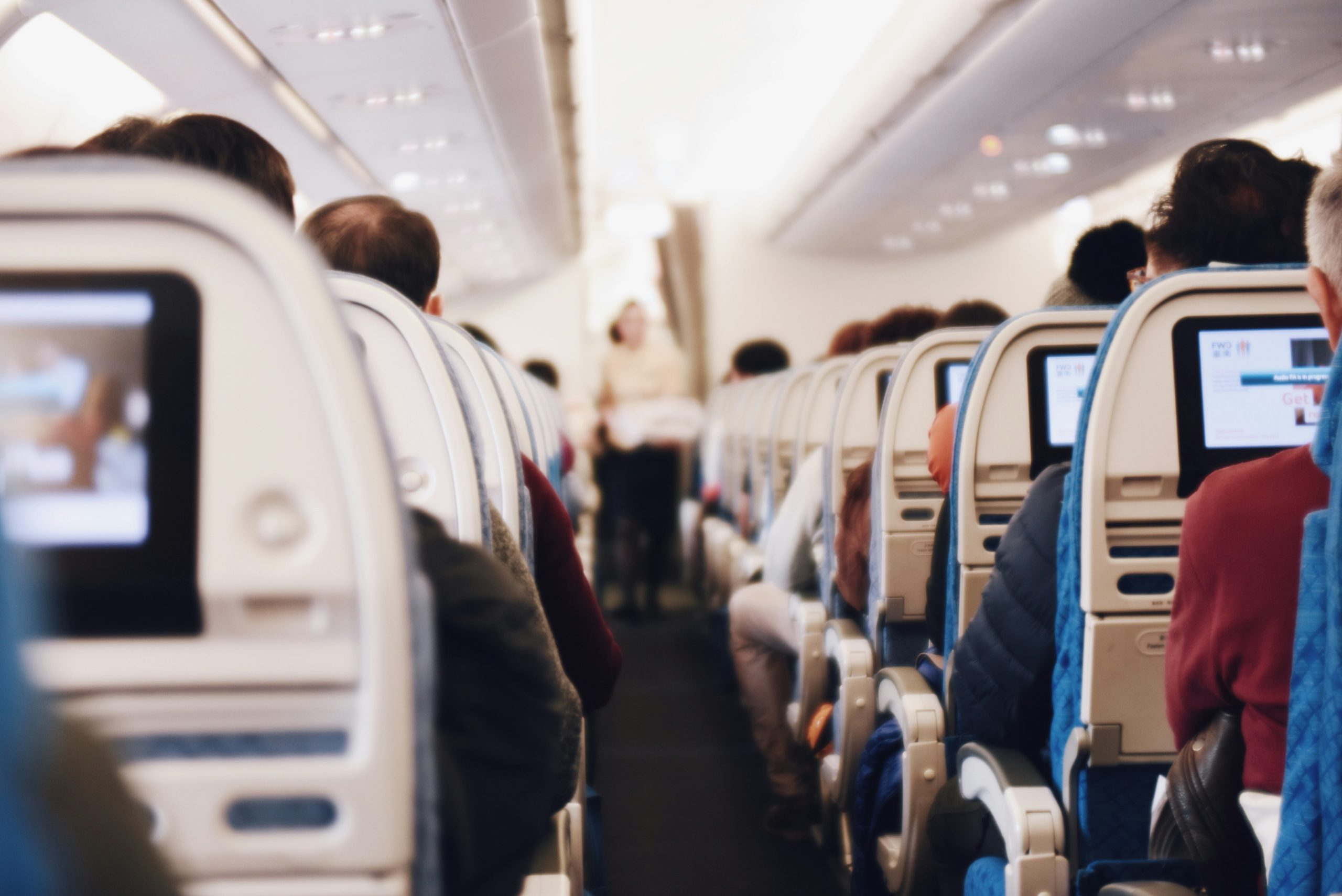
The question “can you fly with weed in the U.S.?” depends on what kind of product you have, whether it is medical or recreational, where you are flying from, where you are flying to and how local law enforcement handles cannabis at the airport. TSA’s guidance is about security screening, not a universal guarantee that every cannabis product can legally travel anywhere in the country.
For domestic flights, the practical risk is usually tied to what happens if cannabis is discovered during screening. TSA officers are not primarily looking for marijuana, but if they find a substance that may violate the law, they can involve local law enforcement. In a state with legal medical or adult-use cannabis, the outcome may be different than in a state with stricter cannabis laws. That is why flying from one legal state to another still deserves caution.
Patients should also understand that “domestic” does not automatically mean simple. A flight from a medical cannabis state to another medical cannabis state may still involve federal airport screening. A connecting flight can also add another jurisdiction. If you are asking “can you fly domestic with weed?” the most honest answer is that TSA’s update may reduce some confusion for medical patients, but it does not remove every legal or practical issue.
Medical Marijuana vs. Recreational Marijuana at the Airport
One of the biggest unanswered questions is how TSA officers will distinguish medical marijuana from recreational marijuana in real time. A patient may have a valid state medical marijuana card, but many cannabis products look similar in a bag scanner or during a manual inspection. Flower, edibles, tinctures, concentrates and vape cartridges may not immediately show whether they came from a state medical program or an adult-use dispensary.
That is why medical patients should keep products in original dispensary packaging whenever possible. Original packaging may show the product label, dispensary information, patient label, batch details, THC content and other identifying information. Carrying your medical marijuana card or patient certification may also help explain why you have the product, although it does not guarantee that every issue will be resolved at the checkpoint.
Recreational cannabis is a different category. TSA’s medical marijuana update should not be read as permission to travel freely with adult-use marijuana. If you are not a registered medical patient, or if your product was purchased outside a qualifying medical program, the situation may be riskier. Patients and consumers should avoid assuming that what is legal to buy in one state is automatically legal to pack in a suitcase. For more context on how cannabis laws can differ, Green Health Docs also explains the difference between marijuana decriminalization and legalization.
How to Fly With Weed More Responsibly as a Medical Patient
Searches for “how to fly with weed” often look for a quick packing trick, but the better approach is to think in terms of documentation, compliance and risk reduction. Medical cannabis patients should start by confirming whether they truly need to travel with the product. In some cases, it may be safer to research legal access at the destination, especially if the destination recognizes out-of-state medical patients or allows visitors to apply for temporary patient access.
If you do decide to travel with medical marijuana, keep the product in its original packaging and do not hide or disguise it. Keep your medical marijuana card, physician certification or patient documentation accessible. Make sure the amount is consistent with personal medical use and your state’s possession limits. Avoid carrying large quantities, loose products or unlabeled containers that may look suspicious or harder to explain.
Patients should also remember that different product types create different travel concerns. Tinctures and other liquids may need to follow standard liquid rules for carry-on bags. Vape pens and electronic cannabis devices can raise separate safety issues because of battery restrictions. Electronic smoking devices are generally treated differently from flower or edibles because lithium batteries can create fire risks in checked baggage.
A simple patient checklist before flying may include:
- Check TSA’s current “What Can I Bring?” guidance for medical marijuana.
- Review the cannabis laws in your departure state, destination state and any connecting airport state.
- Check your airline’s rules, especially for vape devices or battery-powered products.
- Keep products in original dispensary packaging.
- Carry your valid medical marijuana card or state patient documentation.
- Review whether your destination offers medical marijuana reciprocity.
- Avoid international travel with cannabis.
- Leave products at home if you are unsure.
The goal is not to find a loophole. The goal is to avoid creating an unnecessary legal, travel or medical problem while trying to manage your condition away from home.
How Much Weed Can You Fly With?
Many patients ask, “how much weed can you fly with?” or “how much weed can you fly with in the U.S.?” Unfortunately, TSA’s medical marijuana update does not provide a simple national amount. There is no clear TSA-published quantity limit for medical marijuana that applies evenly to every traveler, every airport and every state.
That does not mean quantity is irrelevant. Carrying a small amount that is consistent with personal medical use is very different from carrying a large amount that could raise suspicion of distribution or trafficking. Even in states where medical cannabis is legal, possession limits vary. The amount allowed under one state’s program may not match the amount allowed in another state, and a medical card from one state does not automatically transfer every protection to another.
Patients should also avoid thinking only about TSA. Local law enforcement, airport rules, state possession limits and the laws at your destination can all matter. If you are traveling with more cannabis than you can clearly explain as personal medical use, the risk can increase quickly. Patients can learn more about state-by-state recognition in Green Health Docs’ guide, Can I Use My Medical Marijuana in Another State? When in doubt, bring less, verify the rules or do not travel with cannabis at all.
Can You Fly Internationally With Weed?
The question “can you fly internationally with weed?” should be treated very differently from domestic travel. International cannabis travel remains high-risk, even for registered medical marijuana patients. A state medical marijuana card does not give you permission to bring cannabis into another country, and many countries have much stricter drug laws than U.S. states.
International travel also involves customs agencies, border laws and foreign legal systems. The rules may apply when you depart the United States, when you arrive in another country and when you return. Even products that are legal in your home state may be illegal at an international border or in the destination country.
For most patients, the safest recommendation is not to fly internationally with marijuana, cannabis products, THC edibles, vape cartridges, concentrates or CBD products unless you have confirmed the law through official sources and have a lawful prescription product that is specifically permitted. Even then, patients should be extremely cautious. If you rely on cannabis for medical reasons, speak with your healthcare provider before international travel so you can discuss safe, legal alternatives.
What Happens If TSA Finds Marijuana in Your Bag?
If TSA finds marijuana during screening, the next step may depend on the airport, the state, the product, the amount and the officer’s assessment. TSA’s primary role is aviation security, but officers can refer suspected legal violations to law enforcement. At that point, local law enforcement may decide whether to take action, ask you to dispose of the product, confiscate it or allow you to continue if no local law has been violated.
This is one reason the same traveler could have different experiences in different airports. Some airports in legal states may be more accustomed to cannabis possession and may handle small personal amounts differently. Other airports may have stricter policies, especially in states where cannabis remains illegal or tightly restricted.
Travelers should also remember that checked bags are screened too. Putting medical marijuana in checked luggage does not make it invisible, and it may make it harder to answer questions if a bag is pulled for inspection when you are not present. If you are carrying medical documentation, keep it accessible rather than buried in a separate bag.
Does a Medical Marijuana Card Protect You When Flying?
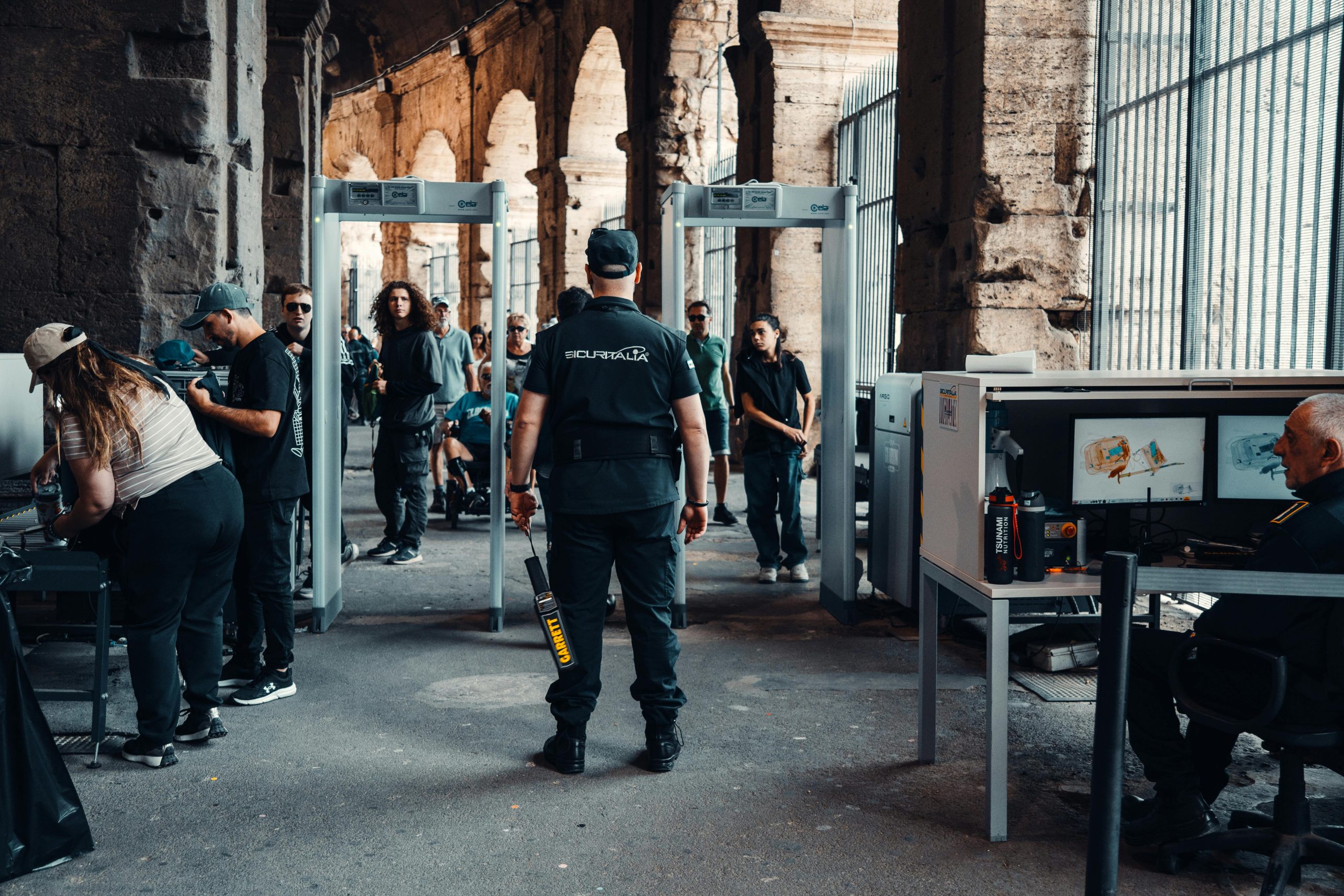
A medical marijuana card can help document that you are a registered patient, but it is not a universal travel pass. It does not automatically override TSA discretion, airline rules, airport policies, federal rules, state laws or international border restrictions. It also does not guarantee reciprocity in another state.
That said, having a valid medical marijuana card may still be useful. It helps show that your cannabis use is tied to a medical program rather than casual adult use. It may also help you access dispensaries in states that recognize out-of-state patients or offer temporary patient registration. If you are traveling for more than a short trip, checking the destination’s medical cannabis rules may be a better plan than carrying products from home.
Patients should also keep their card current. An expired medical marijuana card is unlikely to help if questions come up. Renewing your card before travel, understanding your state’s possession limits and keeping your certification paperwork organized can help reduce avoidable issues. Patients who are planning ahead can also review Green Health Docs’ guide to medical marijuana card cost and renewal before their next trip.
What Medical Cannabis Patients Should Do Before Their Next Flight
The best preparation starts before you pack. Review your itinerary carefully and identify every state or country involved, including layovers. Then check whether medical marijuana is legal, whether reciprocity exists and whether the airport has its own posted cannabis policy. This step is especially important if you are traveling through a state with stricter cannabis laws.
Next, consider whether you truly need to bring cannabis with you. Some patients may be able to buy medical cannabis legally after arriving, while others may not have that option. If you cannot legally access medical cannabis at your destination, speak with your healthcare provider about symptom management options before you travel.
Finally, be practical. Avoid packing unlabeled products, large amounts or anything that could be mistaken for a non-medical or illicit product. Keep your medical marijuana card and documentation available. If you use a vape product, follow airline and battery rules carefully and never use cannabis products during a flight.
Key Takeaways
- TSA now lists medical marijuana as allowed in carry-on and checked bags with “Special Instructions,” but the details remain unclear.
- TSA officers are focused on aviation security, not actively searching for marijuana, but they can refer suspected legal violations to law enforcement.
- A medical marijuana card may help document patient status, but it does not override every federal, state, airport, airline or international rule.
- Domestic travel with medical cannabis may still carry risk because state laws, airport rules and local enforcement vary.
- There is no simple TSA-published national answer to “how much weed can you fly with,” so patients should avoid carrying large quantities.
- International travel with marijuana is especially risky and should generally be avoided.
- Original dispensary packaging, a valid medical marijuana card and current patient documentation may reduce confusion if questions arise.
- If you are unsure whether you can fly with weed on a specific trip, the safest option is to leave it at home and research legal access at your destination.

Frequently Asked Questions About Flying With Marijuana
Can you fly with marijuana if you have a medical card?
TSA’s current guidance lists medical marijuana as allowed in both carry-on and checked bags with “Special Instructions,” but that does not mean every medical marijuana product can travel without risk. A medical card may help show that you are a registered patient, but it does not override every law or policy that may apply during air travel. State laws, airport rules, airline policies and the laws at your destination can still affect what happens if cannabis is discovered.
If you are a medical marijuana patient, keep your card current and carry your product in original dispensary packaging when possible. You should also check the laws in your departure state, destination state and any state where you have a layover. If the trip involves another country, do not assume your U.S. medical marijuana card will be recognized. International travel with cannabis remains much riskier than domestic travel.
Can you fly with weed in the U.S. on a domestic flight?
You may see TSA’s update and assume the answer is now a simple yes, but domestic travel with weed is still complicated. TSA is a federal agency focused on aviation security, while cannabis laws vary widely from state to state. If marijuana is found during screening, TSA may refer the situation to law enforcement, and the outcome may depend on local law and the facts of the situation.
For medical patients, domestic travel may be less confusing than it used to be, but it is not automatically risk-free. You should check your destination’s laws before packing cannabis, especially if you are flying into a state with limited or no medical marijuana protections. If you can legally access medical cannabis at your destination, that may be a safer option than transporting products from home.
Can I fly with weed in my checked bag?
TSA’s medical marijuana page currently lists medical marijuana as allowed in checked bags with “Special Instructions,” but checked bags are still screened. Packing cannabis in checked luggage does not prevent it from being discovered, and it may make communication harder if the bag is inspected when you are not present. If a question comes up, your patient documentation may be in a different bag or unavailable.
Patients should also be careful with product type. Vape pens and other electronic smoking devices have separate battery rules and are generally not supposed to be placed in checked baggage. Liquids, tinctures and other products may also need to comply with TSA liquid rules if packed in carry-on luggage. Always check the rules for the exact product format before you travel.
How much weed can you fly with in the U.S.?
There is no simple national amount that applies to every traveler under TSA’s medical marijuana update. TSA’s page does not give a specific quantity limit for medical marijuana, and state possession limits can vary significantly. The amount that may be lawful in one state could create problems in another.
As a practical matter, carrying a small amount consistent with personal medical use is very different from carrying a large amount. Large quantities can raise questions about intent, even if you are a registered patient. If you are unsure, check your state’s possession limit, your destination’s rules and any airport-specific policies before packing. When the rules are unclear, leaving cannabis at home is often the safest choice.
Can you fly internationally with weed if it is medical marijuana?
International travel with weed is not recommended, even for medical marijuana patients. A U.S. medical marijuana card does not automatically allow you to bring cannabis into another country, and many countries treat cannabis possession very seriously. This can apply to flower, edibles, concentrates, THC vape cartridges, tinctures and sometimes CBD products.
If you rely on medical cannabis, plan ahead before traveling abroad. Speak with your healthcare provider about legal alternatives, review official government travel information and check the rules for your destination and any countries where you will have a layover. Do not assume that a product legal in your home state will be legal at customs or in another country.
Does TSA search for marijuana?
TSA’s screening procedures are designed to detect threats to aviation and passenger safety. TSA officers are not primarily searching for marijuana or other drugs. However, if an illegal substance or suspected legal violation is discovered during screening, TSA can refer the matter to law enforcement.
That distinction matters. It means many patients may pass through security without issue, especially when carrying lawful medical products in a compliant way. But it also means there is still discretion involved. The final decision at the checkpoint may depend on the officer, the product, the amount and the local legal environment.
Should medical marijuana patients bring documentation when flying?
Yes, documentation is a smart precaution for medical marijuana patients. Carry your active medical marijuana card, state patient registration, physician certification or other relevant documentation when applicable. Keep your cannabis product in its original dispensary packaging so the label, patient information, product type and THC content are easier to identify.
Documentation does not guarantee that TSA, airport police or another agency will allow the product through. It simply makes the situation easier to explain if questions arise. Patients should still check the current rules before traveling and should avoid carrying products into states or countries where they are not allowed.
Is it better to buy medical marijuana at my destination?
In many cases, buying medical marijuana at your destination may be safer than flying with products from home, but only if the destination legally allows you to do so. Some states recognize out-of-state medical marijuana patients or offer temporary patient registration, while others do not. Rules can change, so patients should confirm current requirements through official state sources before assuming they can purchase after arrival.
If the destination does not recognize your card, you may not be able to legally buy cannabis there. In that case, speak with your healthcare provider before traveling so you can plan for symptom management. A medical marijuana card is valuable, but it does not automatically create legal access in every state.
Related Reading
- How Does Medical Marijuana Reciprocity Work? Can I Use My Medical Card in Another State?
- Can I Use My Medical Marijuana in Another State?
- Medical Marijuana States: Registry, Map & Medical Card Info
- What is the Difference Between Marijuana Decriminalization vs Legalization?
- How Much Does a Medical Marijuana Card Cost? And How Much is MMJ Card Renewal?
Get Your Medical Marijuana Card Before Your Next Trip
Travel rules can be confusing, especially when medical cannabis laws vary from state to state. If you use cannabis for a qualifying medical condition, having a valid medical marijuana card can help document your patient status and make it easier to access regulated dispensaries where state law allows. It can also give you a clearer framework for understanding possession limits, renewal rules and safe patient use.
Green Health Docs helps patients understand the medical marijuana certification process and connect with licensed medical marijuana doctors online or in person, depending on the state. If you are preparing for an upcoming trip, now is a good time to make sure your card is current, your documentation is organized and you understand the rules that apply where you live and where you are going.
Schedule your medical marijuana card appointment with Green Health Docs and get help taking the next step as a registered medical cannabis patient.