Does Smoking Weed Make You Age Faster, or Does Weed Make You Look Younger?
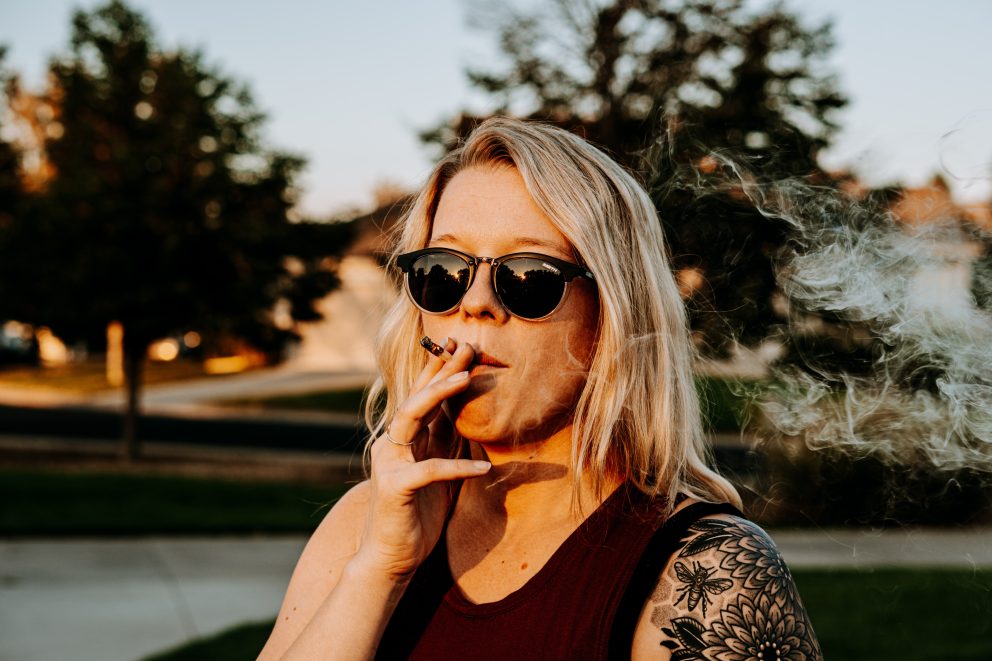
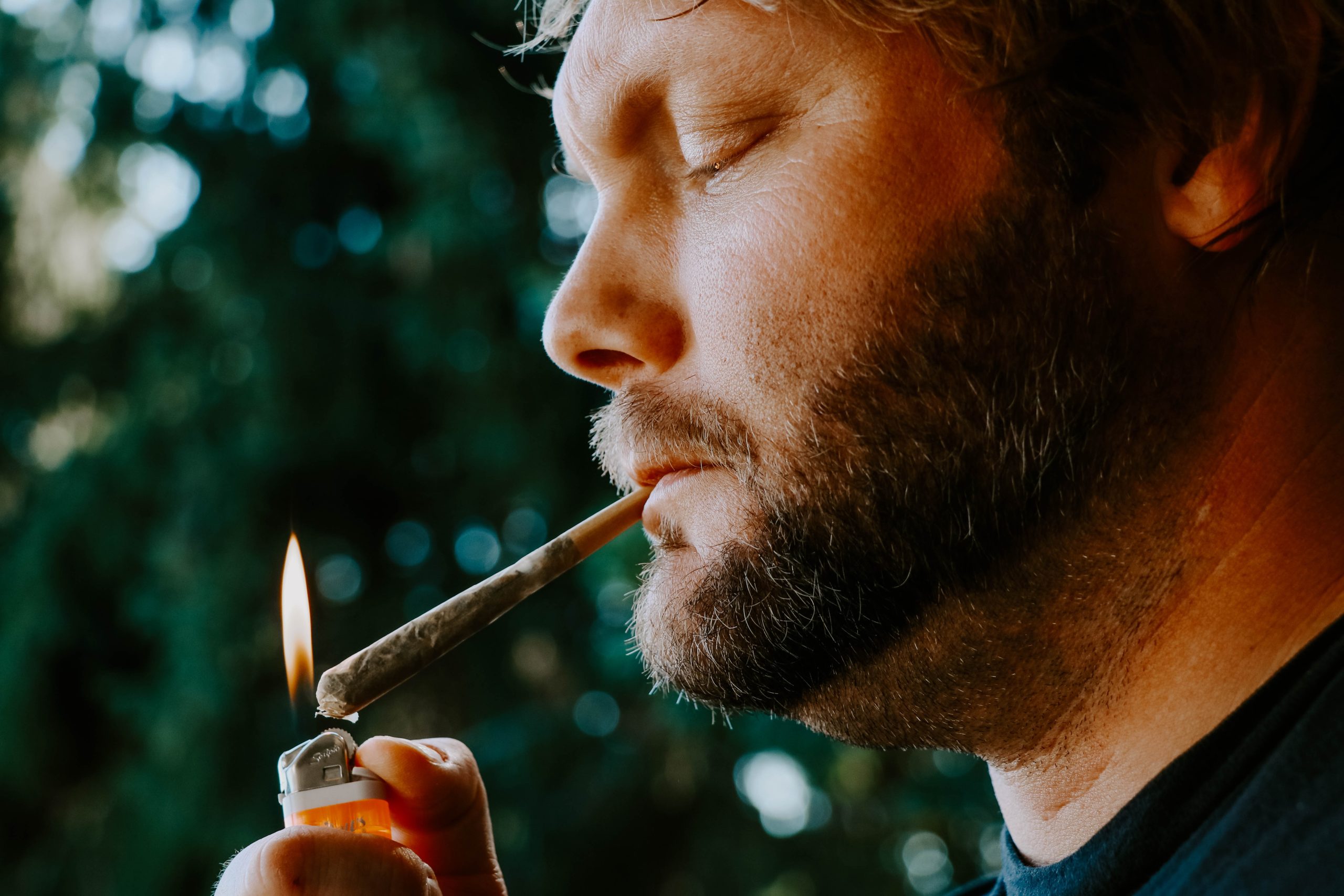
Photo by Shelby Ireland
Executive Summary
Smoking weed may contribute to visible aging, especially because smoke exposure can affect circulation, collagen, elastin, skin texture, and oxidative stress. The clearest concern is not necessarily THC by itself, but the act of smoking. Smoke from cannabis, tobacco, or other burned plant material can expose the skin and body to irritants that may contribute to dryness, dullness, wrinkles, and a more tired-looking complexion over time.
That does not mean everyone who uses cannabis will suddenly look older, and it does not mean THC has been proven to directly age your face. Skin aging depends on many factors, including sun exposure, genetics, sleep, hydration, diet, stress, skincare habits, tobacco use, alcohol use, and how often you smoke. This guide explains whether weed can age your skin, how smoking may affect wrinkles and collagen, why eye bags or puffiness can happen, whether weed causes weight loss, and how medical cannabis patients can reduce appearance-related risks.
Apply for a Medical Marijuana Card Online Today
Join over 100,000 patients who have chosen Green Health Docs as their medical cannabis doctors. We have a 99% approval rate and offer a 100% money back guarantee!
Does Smoking Weed Make You Age Faster?
Smoking weed may make some signs of aging more noticeable over time, especially if you smoke often. The main reason is smoke exposure. Smoking can affect blood flow, oxygen delivery, inflammation, and oxidative stress, all of which can influence how skin looks and recovers.
However, the answer should be framed carefully. It is more accurate to say that smoking weed may contribute to visible skin aging than to say weed itself automatically makes every person age faster. A person who smokes heavily, sleeps poorly, skips sunscreen, drinks heavily, and eats poorly may notice different skin changes than a person who uses cannabis occasionally in a smoke-free form and takes good care of their skin.
Why Smoking Matters More Than THC Alone
Smoking exposes the skin and body to combustion byproducts. These byproducts can irritate tissues, increase oxidative stress, and affect circulation. Over time, that may contribute to dullness, uneven texture, fine lines, and slower skin recovery.
THC is not the same thing as smoke. A cannabis edible, tincture, or capsule does not expose the skin and lungs to smoke in the same way a joint, blunt, bowl, or bong does. That is why the delivery method matters when discussing cannabis and visible aging.
This does not make every smoke-free cannabis product risk-free. Edibles and tinctures can still cause impairment, overconsumption, anxiety, drowsiness, or other effects. But when the topic is skin aging, smoke exposure is one of the most important factors to separate from cannabinoids themselves.
Why Weed Does Not Affect Everyone’s Skin the Same Way
Cannabis does not affect every person’s skin the same way. Skin type, genetics, age, hydration, sleep, diet, stress, skincare, sun exposure, and tobacco use all matter. Someone with dry or sensitive skin may notice smoke-related irritation more easily than someone with oilier or more resilient skin.
Frequency also matters. Occasional cannabis use is not the same as smoking several times a day for years. The more often skin and lungs are exposed to smoke, the more likely irritation and visible effects may become.
What the Research Can and Cannot Prove
Research can show associations between smoking, inflammation, collagen changes, and aging markers, but it is harder to prove exactly how much cannabis alone changes the way a specific person looks. Many cannabis users also have other lifestyle factors that can affect skin, such as tobacco use, alcohol use, sun exposure, sleep habits, stress, and diet. That makes direct cause-and-effect claims difficult.
The safest conclusion is that smoking is a skin-aging risk, cannabis smoke is still smoke, and THC itself should not be blamed for every visible change. If you are concerned about premature aging, reducing smoke exposure is a practical place to start.
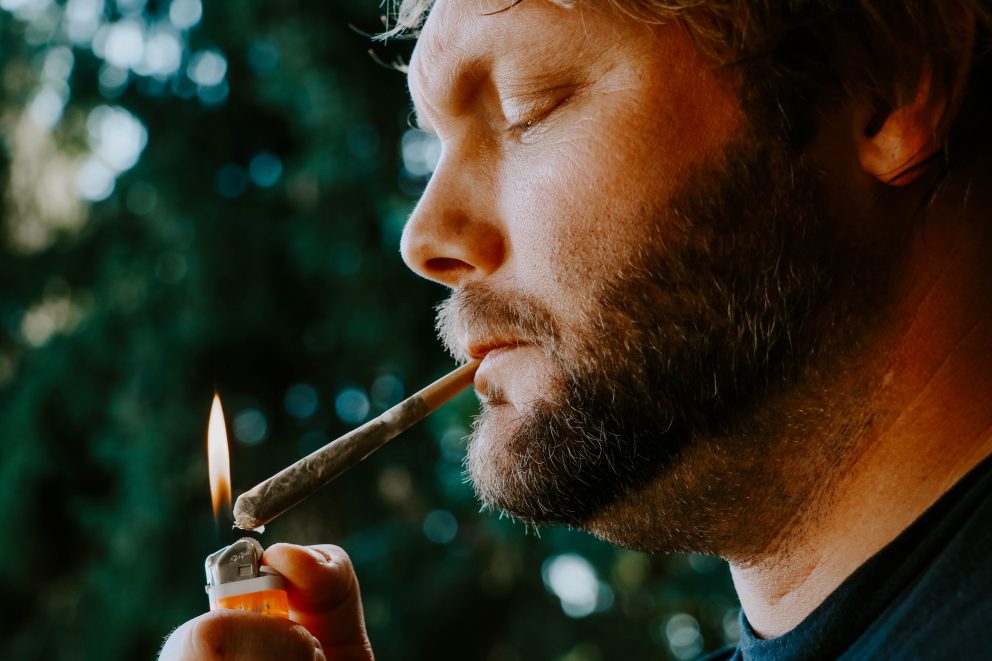
Photo by Elsa Olofsson
Does Weed Age Your Skin?
Weed may contribute to skin aging when it is smoked regularly. Smoking can reduce oxygen delivery, increase free radical exposure, and contribute to inflammation. These factors can affect the skin’s brightness, texture, and ability to repair itself.
Visible aging is usually gradual. A person may notice fine lines, dryness, redness, dullness, uneven tone, or a more tired appearance over time. Those changes may come from smoking, but they may also be influenced by sun exposure, dehydration, stress, sleep, alcohol, tobacco, and normal aging.
Smoke, Oxidative Stress, and Skin Aging
Oxidative stress occurs when the body has more damaging free radicals than it can neutralize effectively. Smoke exposure can increase oxidative stress, which may affect skin cells and the structures that keep skin looking firm and healthy. Over time, this may contribute to premature aging.
Skin also needs healthy circulation. When circulation is affected, skin may receive less oxygen and fewer nutrients. That can make the complexion look duller or slower to recover from irritation.
Cannabis Smoke, Collagen, and Elastin
Collagen and elastin help skin stay firm, smooth, and flexible. As people age, these structures naturally change, which contributes to lines and sagging. Smoking may speed up some of these visible changes by affecting collagen balance, elastic fibers, and the skin’s repair processes.
Cannabis smoke has not been studied as extensively as tobacco smoke in skin aging, but it is still smoke. That means it may carry similar concerns around irritation, oxidative stress, and repeated facial movements from inhaling. If wrinkles and collagen loss are a concern, reducing smoke exposure is one of the most reasonable changes to consider.
Why Sun, Sleep, Diet, and Genetics Still Matter
Smoking is not the only thing that affects skin aging. Sun exposure is one of the biggest drivers of premature wrinkles, dark spots, and texture changes. Sleep, nutrition, hydration, stress, alcohol use, and skincare habits also play a major role.
Genetics matter too. Some people naturally develop fine lines earlier, while others maintain firmer skin longer. Cannabis may be part of the picture for some users, but it is rarely the only explanation for how someone’s skin ages.
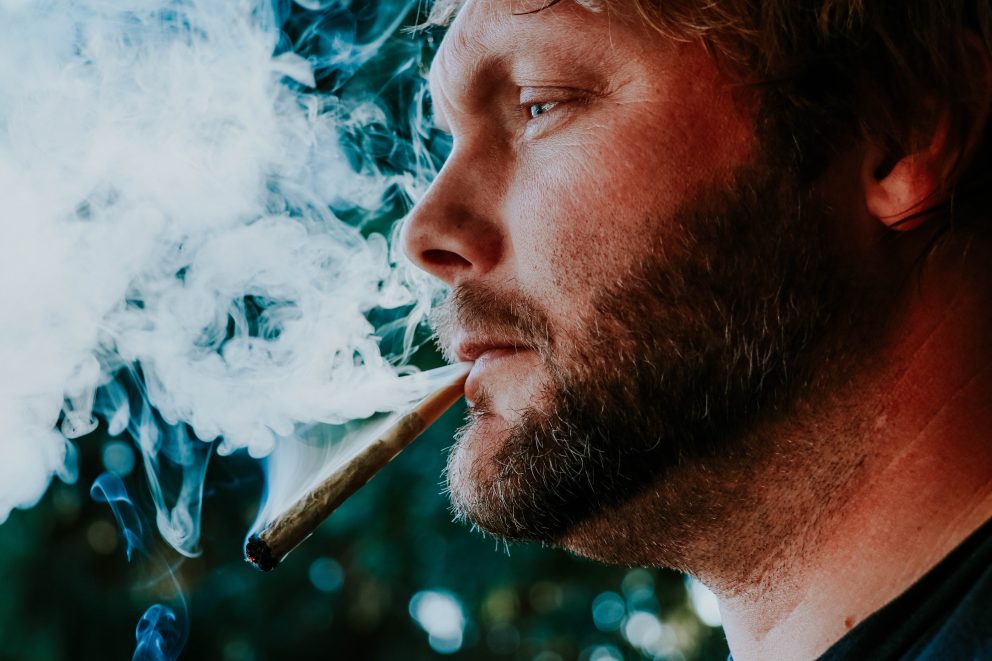
Photo by Elsa Olofsson
Does Smoking Weed Cause Wrinkles?
Smoking weed may contribute to wrinkles, especially if someone smokes frequently over a long period of time. Wrinkles can develop from collagen breakdown, skin dehydration, inflammation, sun exposure, and repeated facial movements. Smoking can influence several of those factors at once.
The most likely visible concerns include fine lines around the mouth, crow’s feet, dullness, and changes in skin texture. These are not unique to cannabis. Similar concerns are often discussed with smoking in general because smoke exposure and repeated inhalation can affect the skin.
Lines Around the Mouth and Eyes
Smoking often involves repeated lip pursing and squinting. Over time, those repeated movements may contribute to lines around the lips and eyes. This does not happen overnight, but repeated facial expressions can deepen lines as skin loses elasticity with age.
Cannabis smoke can also irritate the eyes, making some people squint more. Redness, dryness, and irritation may make the face look more tired in the short term, even if those effects are temporary.
Dryness, Dullness, and Skin Texture
Some people notice that smoking makes their skin look drier or duller. Smoke exposure can irritate the skin, and cannabis may also contribute to dry mouth, red eyes, or dehydration-related appearance changes. If someone also sleeps poorly or eats salty snacks while high, puffiness and dullness may be more noticeable the next day.
Skin texture is influenced by many habits. A consistent skincare routine, sunscreen, hydration, nutrition, and avoiding smoke can all help protect the skin’s appearance. If smoking seems to make your skin look worse, switching to a smoke-free option may be worth discussing with a medical marijuana provider.
Is “Weed Smoker Face” Real?
“Weed smoker face” is not a formal medical diagnosis. It is usually a casual phrase people use to describe visible changes they associate with frequent cannabis smoking, such as tired-looking eyes, dull skin, fine lines, dryness, or a puffy face. Some of those changes may be linked to smoke exposure, sleep, hydration, allergies, or lifestyle habits rather than cannabis alone.
It is also easy to exaggerate this idea. Not every cannabis user has a specific “look,” and appearance can be shaped by many factors. A more useful question is whether your cannabis routine is affecting your sleep, hydration, skin irritation, or smoke exposure.
Photo by Natalia Blauth
Does Smoking Weed Cause Eye Bags or a Puffy Face?
Smoking weed can make the eyes and face look tired or puffy for some people, but it does not necessarily create permanent eye bags. Short-term changes may include red eyes, dryness, irritation, puffiness, or a sleepy facial expression. These effects may be more noticeable after heavy use, late-night use, dehydration, or poor sleep.
Eye bags are also common in people who do not use cannabis. Genetics, aging, allergies, fluid retention, salt intake, sleep quality, and skin structure all play a role. Cannabis may contribute in some situations, but it is rarely the only cause.
Red Eyes, Dryness, and Irritation
Red eyes are one of the most recognizable short-term cannabis effects. THC can affect blood vessels in the eyes, and smoke itself can irritate the eyes. Dryness may also make the eyes look more tired.
If red eyes and irritation are frequent problems, smoke may be part of the issue. Smoke-free cannabis products may reduce eye and throat irritation for some people, though they can still cause impairment and other THC-related effects.
Sleep, Dehydration, and Snack Habits
Cannabis can affect sleep differently depending on the person and product. Some people use cannabis to relax before bed, while others feel groggy, restless, or foggy the next day. Poor sleep can make eye bags and puffiness look worse.
Dehydration and snack habits can matter too. THC may cause dry mouth, and some people eat salty or sugary snacks while high. That combination can make the face look puffier the next morning, especially around the eyes.
Does Weed Make Your Face Fatter?
Weed does not directly make your face fat in the way that gaining body fat can change facial shape. However, cannabis may indirectly affect appearance through appetite, snacking, sleep, hydration, and puffiness. A puffy face is not the same thing as fat gain.
If your face looks fuller after using cannabis, consider timing, diet, sodium intake, alcohol, sleep, and hydration. Temporary puffiness often changes from day to day. Long-term changes in facial fullness are more likely related to overall weight changes, aging, hormones, or health conditions.
Photo by Andrej Lišakov
Does Weed Change the Way You Look?
Weed can temporarily change the way you look. Red eyes, relaxed facial muscles, droopy eyelids, dry mouth, hunger, sleepiness, and slower reactions can all make someone appear high or tired. These short-term appearance changes usually fade as the high wears off.
Long-term appearance changes are more complicated. Frequent smoking may contribute to dullness, lines, and skin irritation, while cannabis-related sleep, diet, or hydration habits may also affect how someone looks. But weed does not create one universal appearance pattern in every user.
Short-Term Appearance Changes
Short-term changes may include red eyes, glassy eyes, dry lips, flushed skin, droopy eyelids, or a more relaxed expression. Some people may look sleepy or unfocused. Others may not look noticeably different at all.
These effects can depend on dose, product type, tolerance, and timing. A high-dose edible may create a very different appearance than a small amount of smoked flower.
Long-Term Appearance Changes
Long-term changes are more likely when cannabis is smoked often over many years. Smoke exposure may contribute to skin dullness, fine lines, and texture changes. Lifestyle patterns connected to heavy cannabis use may also matter, including sleep disruption, reduced exercise, alcohol use, tobacco use, or poor nutrition.
That does not mean cannabis automatically ages every person who uses it. A healthy lifestyle, sun protection, smoke-free cannabis choices, and moderate dosing can all influence how noticeable any appearance-related effects become.
Smoking Weed vs. Smoke-Free Cannabis Products
Smoking weed exposes the skin and lungs to smoke. Smoke-free products, such as edibles, tinctures, capsules, and some topicals, avoid combustion. That may make them appealing for patients who are concerned about wrinkles, lung irritation, or smoke exposure.
However, smoke-free does not mean risk-free. Edibles can last longer than expected and may be harder to dose. Green Health Docs’ guide to how to use marijuana without smoking it explains several non-smoking options and how they differ.
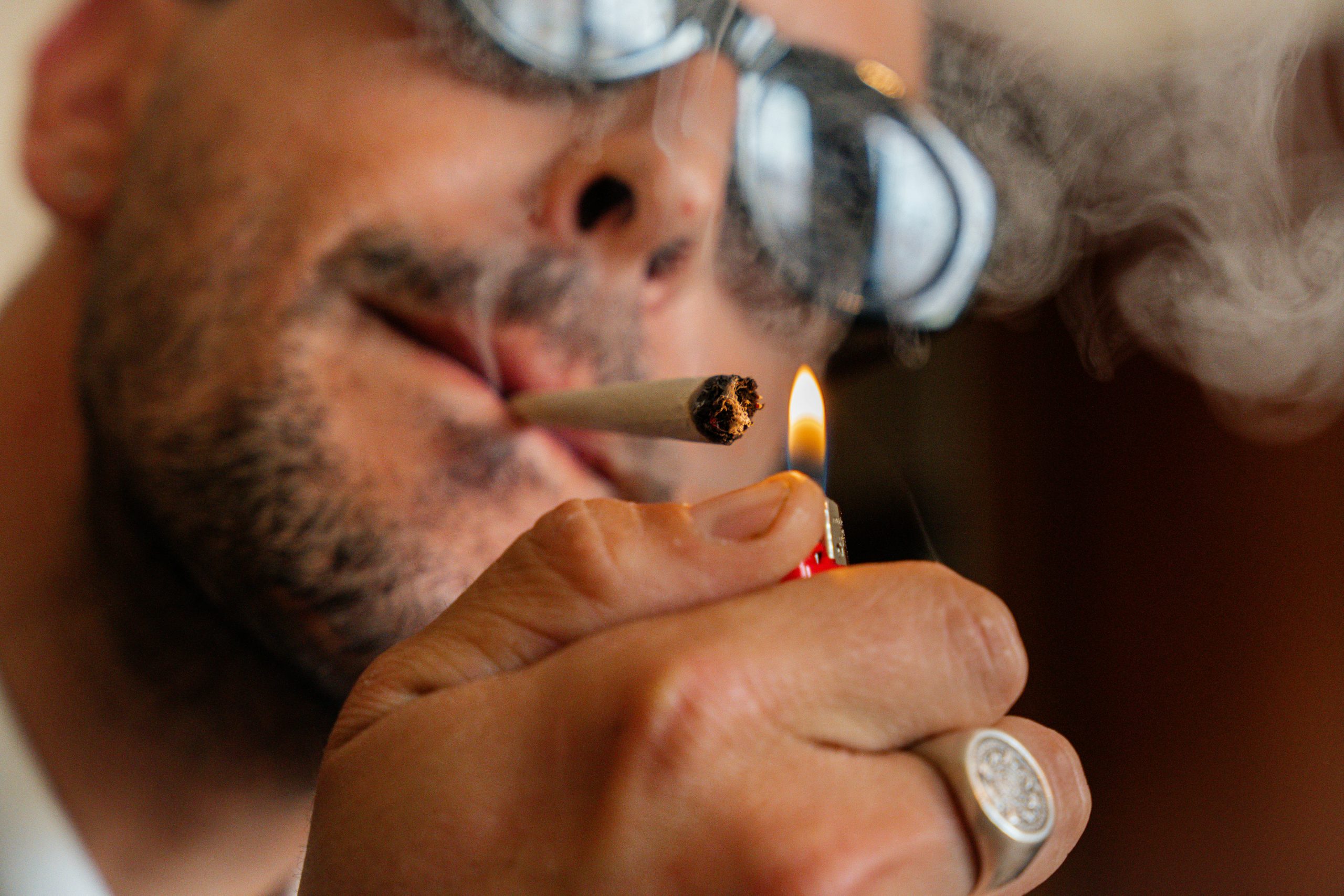
Photo by Fellipe Ditadi
Does THC Age Your Skin?
THC has not been clearly proven to directly age the skin in the same way smoke exposure is linked to premature aging. THC can affect the body in many ways, including mood, appetite, sleep, heart rate, and perception. But when people ask whether weed ages skin, the stronger concern is usually smoking rather than THC alone.
That said, THC can still indirectly affect appearance. If THC disrupts sleep, increases anxiety, changes eating habits, or leads to frequent intoxication, those patterns may influence how someone looks and feels. Skin health is connected to overall health habits.
THC, CBD, and Skin Research
THC, CBD, and other cannabinoids are being studied for possible skin-related effects, including inflammation, oil production, itching, and certain dermatology uses. However, early research does not mean smoking cannabis is anti-aging or that THC or CBD can cure skin conditions. It is important not to confuse cannabinoid research with claims about smoking weed making skin healthier.
CBD skincare products are also different from smoking cannabis. A topical product applied to the skin does not work the same way as inhaled THC. Product quality, ingredients, concentration, and the specific skin concern all matter.
Why Topical Cannabinoids Are Different From Smoking Weed
Topical cannabinoid products are applied to the skin and usually do not create the same intoxicating effects as smoking or eating THC. They also do not involve smoke exposure. That makes them a different category from cannabis flower, vapes, dabs, or edibles.
Still, topical products should be used carefully. People with sensitive skin can react to fragrances, carrier oils, preservatives, or other ingredients. If a skin condition is persistent, painful, infected, or worsening, it is best to see a dermatologist or healthcare provider.
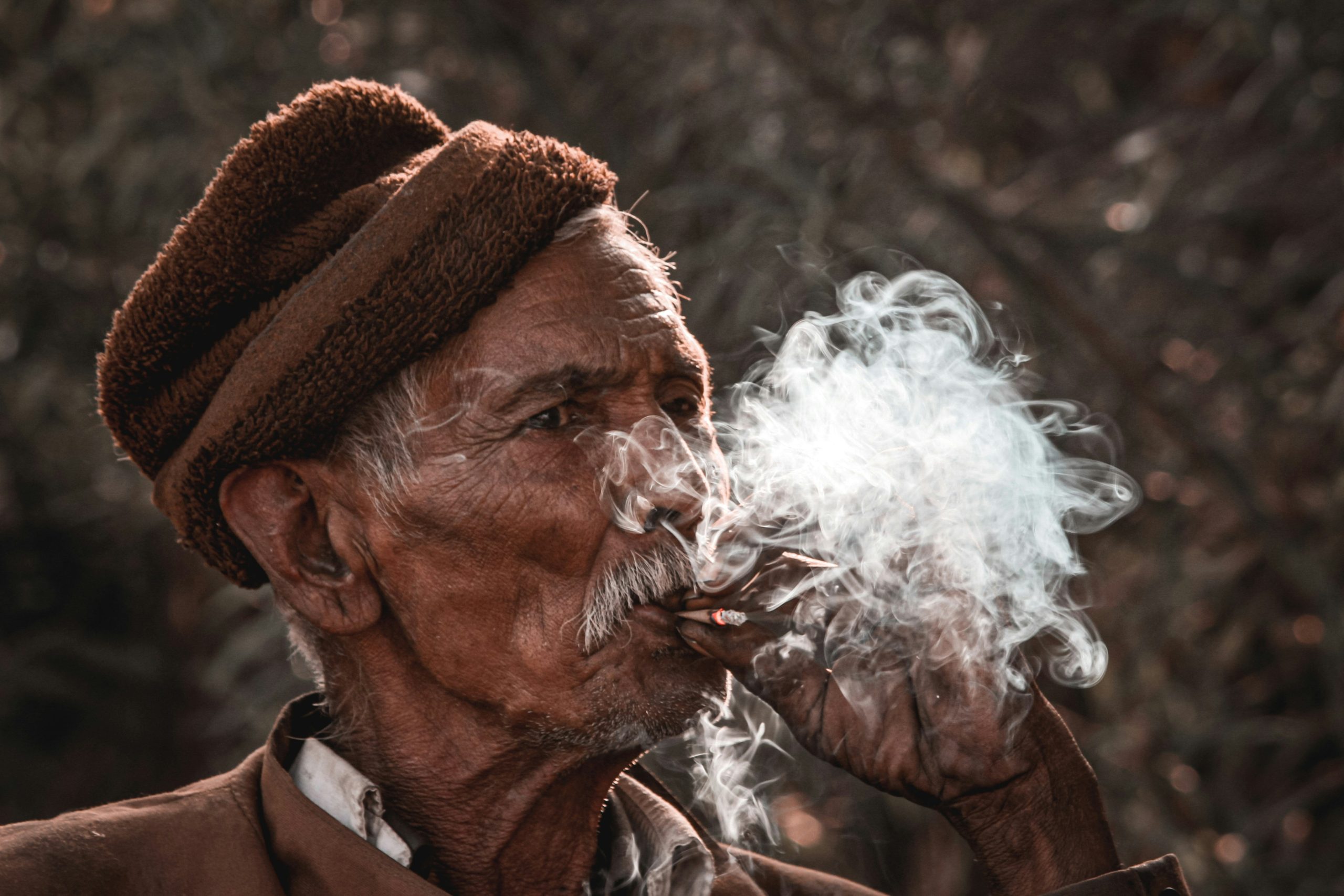
Photo by Prince Patel
Does Weed Make You Lose Weight?
Weed is not a reliable weight-loss strategy. Some research has found associations between cannabis use and lower body mass index, but that does not prove cannabis causes weight loss. Studies can be affected by diet, activity level, metabolism, tobacco use, underlying health conditions, age, and other lifestyle factors.
The idea can also feel confusing because THC is well known for increasing appetite in many people. Some cannabis users experience “the munchies,” while some population studies still find lower average BMI among cannabis users. That does not mean smoking weed will make an individual lose weight.
Cannabis, Appetite, and the Munchies
Cannabis can increase appetite, make food smell or taste better, and lower inhibitions around snacking. For some medical marijuana patients, increased appetite may be helpful, especially when dealing with nausea, appetite loss, or certain medical treatments. For others, it may lead to eating more than planned.
Snack choices matter. If cannabis use often leads to late-night salty, sugary, or high-calorie foods, it may contribute to bloating, puffiness, or weight gain rather than weight loss. Those appearance changes can be especially noticeable in the face the next morning.
What the BMI Research Actually Shows
Some studies have found that cannabis users, on average, may have lower BMI or lower obesity rates than non-users. But association is not the same as causation. Researchers cannot always separate cannabis use from other lifestyle, health, or demographic factors that may influence weight.
A practical takeaway is that weed should not be treated as a diet tool. If weight, appetite, or metabolism is a concern, a healthcare provider can offer safer and more reliable guidance. Cannabis may affect appetite, but it is not a substitute for nutrition, exercise, sleep, and medical care.
Why Weed Is Not a Weight-Loss Strategy
Using weed to lose weight can backfire. THC may increase appetite, affect motivation, disrupt sleep, or make it harder to stick to healthy routines for some people. High-dose edibles can also add calories depending on the product.
If you use cannabis medically, focus on symptom control rather than weight loss claims. A medical marijuana doctor can help qualifying patients think about product type, timing, dose, and side effects. Green Health Docs’ guide to medical marijuana dosing can help explain why different doses can produce very different outcomes.
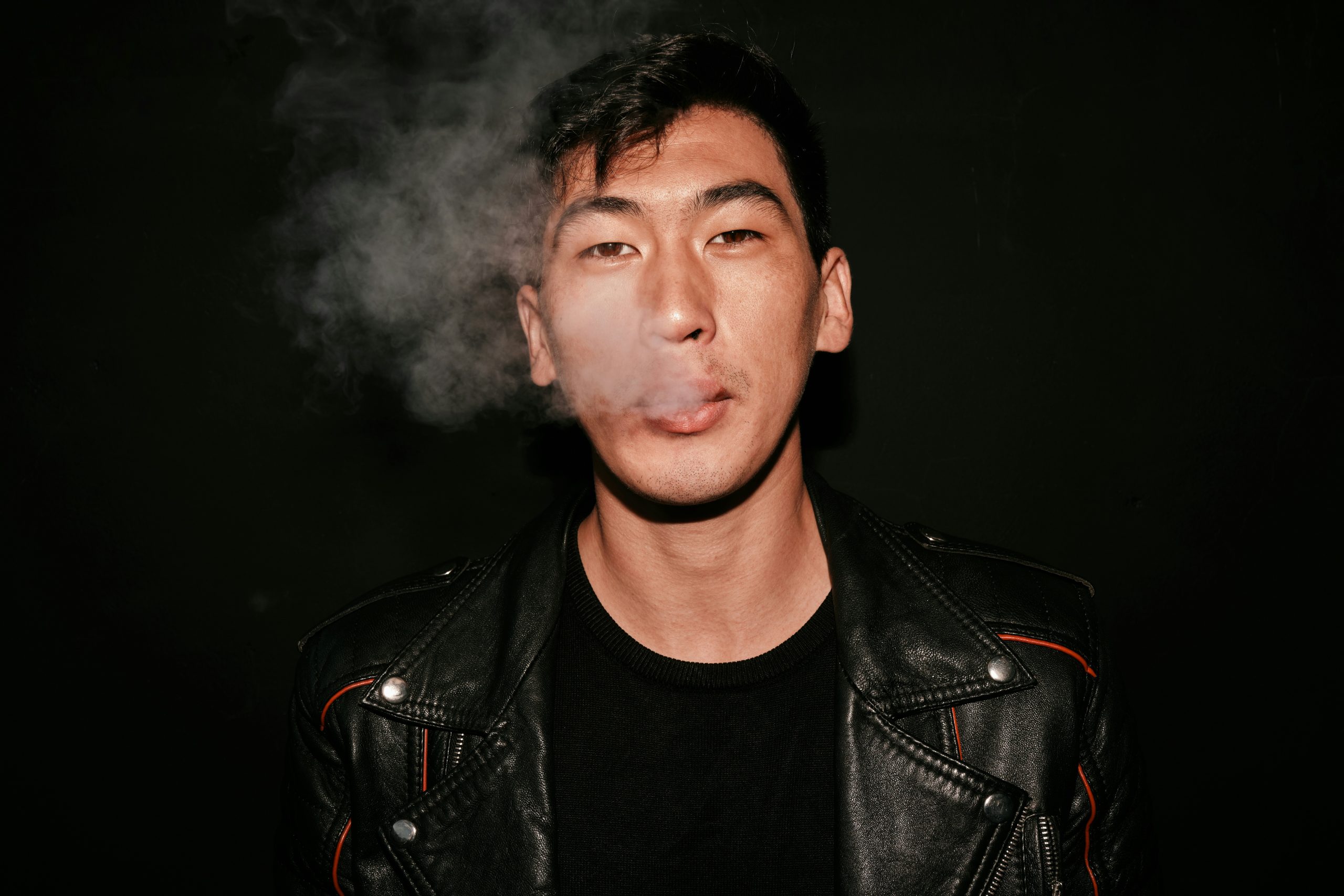
Photo by Andrej Lišakov
Does Weed Affect Biological Aging?
Some research has looked at cannabis use and biological aging markers, including epigenetic age. Epigenetic aging is not the same thing as looking older in the mirror. It refers to measurable biological patterns that researchers use to study how lifestyle, environment, and exposure may relate to aging processes.
Some studies have found associations between cannabis smoking and accelerated epigenetic aging. However, researchers have also suggested that smoke exposure and hydrocarbon inhalation may be important parts of the picture. This supports the same practical theme: smoking is likely a bigger concern than THC alone when discussing aging risk.
Cannabis Smoking and Epigenetic Aging
Epigenetic aging research is still developing, and it should not be oversimplified. A study may find an association between cannabis use and aging markers, but that does not mean every cannabis user will age faster or look older. Patterns of use, smoking frequency, other substance use, and overall lifestyle can all affect the results.
Still, the research is worth paying attention to. It adds another reason to be cautious with frequent smoking, especially for people who are concerned about long-term health. Smoke-free cannabis options may reduce some smoke-related concerns, though they do not remove all cannabis-related risks.
Why Smoke Exposure May Be the Bigger Concern
Smoke exposure is a repeated theme in both visible skin aging and biological aging discussions. Burning plant material creates irritants and compounds that can affect the body. This is why joints, blunts, bongs, and bowls raise different concerns than non-smoking methods.
Patients who rely on cannabis should not assume that smoking is their only option. Depending on state law and product availability, patients may be able to consider tinctures, edibles, capsules, topicals, or other smoke-free products from licensed dispensaries. Green Health Docs’ dispensary resources can help patients learn more about regulated access.
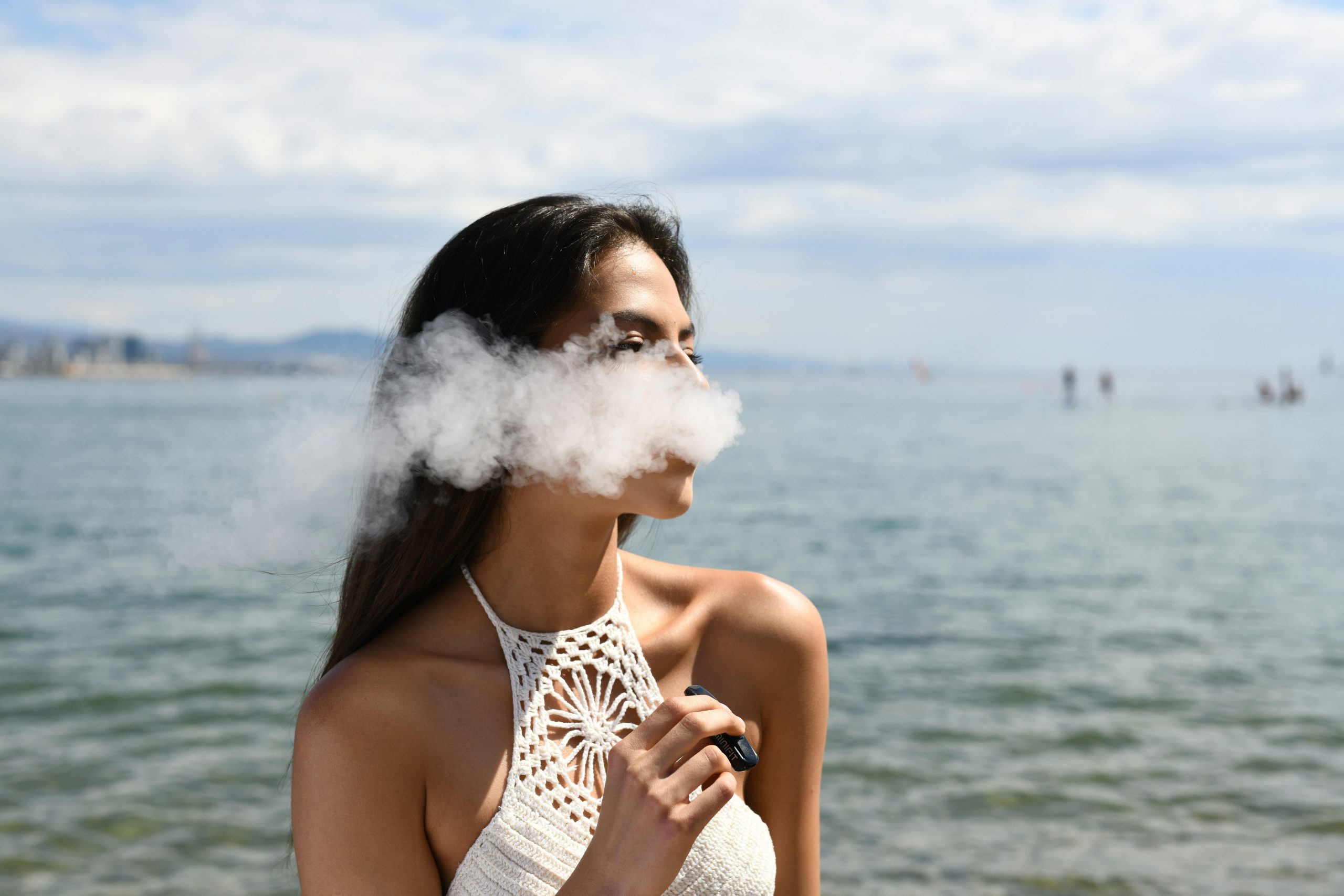
Photo by FORMM agency
How To Reduce Skin-Aging Risks If You Use Cannabis
If you use cannabis and care about skin aging, the most practical step is to reduce or avoid smoke exposure. You can also protect your skin by wearing sunscreen, staying hydrated, sleeping well, limiting alcohol, avoiding tobacco, eating a nutrient-rich diet, and using skincare products that support your skin barrier.
Cannabis is only one part of the skin-aging picture. A person who uses cannabis occasionally but protects their skin from sun damage may age differently than someone who never uses cannabis but smokes tobacco, drinks heavily, and skips sunscreen. Think in terms of overall risk reduction rather than one single habit.
Choose Smoke-Free Cannabis Products
Smoke-free cannabis products may help reduce exposure to smoke-related irritants. Depending on your state and medical program, options may include edibles, tinctures, capsules, topicals, tablets, or drinks. These products do not involve the same repeated inhalation and facial movements as smoking.
Each method works differently, so dosing matters. Edibles can take longer to work and last much longer than smoking. Green Health Docs’ guide to what edibles are explains why edible timing and dosing require extra patience.
Start Low and Pay Attention to THC Strength
High-THC products can increase the risk of anxiety, overconsumption, and unwanted side effects. This is especially true with edibles, vapes, dabs, and concentrates. If you are using cannabis for medical reasons, a lower dose may be enough to support symptom relief without causing strong intoxication.
Product labels can help you understand THC content, serving size, cannabinoid ratios, and suggested use. Green Health Docs’ guide to how to read medical marijuana labels can help patients make more informed choices.
Protect Your Skin From Sun, Smoke, and Dehydration
Daily sunscreen is one of the most important skin-aging prevention steps. Sun exposure can cause wrinkles, dark spots, uneven texture, and loss of firmness. Reducing smoke exposure can also help protect skin from irritation and oxidative stress.
Hydration and sleep matter too. Cannabis-related dry mouth, late-night snacking, alcohol use, and poor sleep can all make skin look dull or puffy. If you notice next-day puffiness after using cannabis, look at your whole routine: dose, timing, snacks, water, alcohol, and sleep quality.
Talk With a Medical Marijuana Doctor About Safer Options
If you use cannabis for a medical condition, do not assume smoking is your only option. A medical marijuana doctor may be able to discuss smoke-free routes, product types, dosing goals, and questions to ask at the dispensary. This can be especially helpful for patients with asthma, lung concerns, skin-aging concerns, or sensitivity to smoke.
Green Health Docs can help qualifying patients speak with licensed medical marijuana doctors. The goal is not simply to use more cannabis. The goal is to find a thoughtful, legal, and responsible approach that supports your health needs.
Key Takeaways
- Smoking weed may contribute to visible aging because smoke exposure can affect circulation, oxidative stress, collagen, elastin, and skin texture.
- THC itself is not clearly proven to directly make your face age faster; the stronger concern is smoking.
- Smoking weed may contribute to wrinkles, dullness, dryness, and lines around the mouth and eyes over time.
- Eye bags and facial puffiness can be influenced by cannabis, but sleep, dehydration, allergies, genetics, salt intake, and aging also matter.
- Weed does not directly make your face fat, though appetite, snacking, sleep, and puffiness can affect appearance.
- Cannabis is not a reliable weight-loss strategy, even though some studies have found associations between cannabis use and lower BMI.
- Smoke-free cannabis products may reduce smoke-related skin concerns, but they still require careful dosing.
- Sunscreen, sleep, hydration, nutrition, and avoiding tobacco and excessive alcohol are also important for skin-aging prevention.
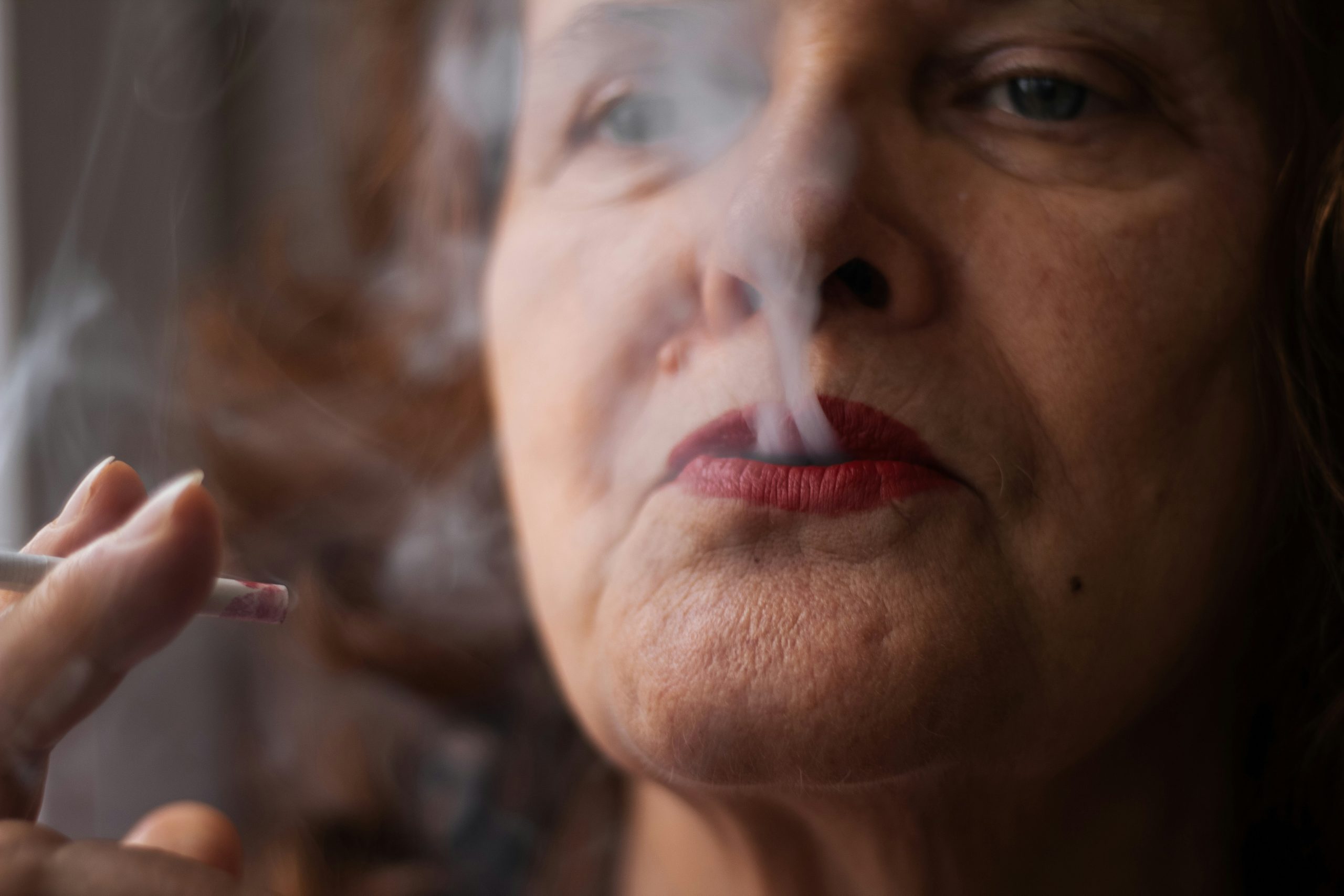
Photo by Anita Jankovic
FAQs About Weed, Aging, Skin, and Appearance
Can Your Skin Improve After You Stop Smoking Weed?
Your skin may look better after you stop smoking weed, especially if smoke exposure was contributing to dryness, dullness, redness, or irritation. Reducing smoke can help limit ongoing exposure to irritants that may affect skin texture and circulation. Some people also sleep better, hydrate more consistently, or make healthier lifestyle choices when they stop smoking. Those changes can make the skin look brighter and more rested over time.
However, stopping cannabis will not erase every wrinkle or reverse natural aging. Sun damage, genetics, past smoking, alcohol use, stress, and skincare habits all influence how skin looks. If skin changes are significant, persistent, or concerning, a dermatologist can help evaluate what is actually causing them. For medical marijuana patients, switching to a smoke-free cannabis option may be a more realistic step than stopping cannabis entirely.
Is Vaping Weed Better for Your Skin Than Smoking It?
Vaping may reduce some combustion-related smoke exposure, but it should not be treated as risk-free. Vape products can still contain THC and other ingredients that affect the body, and inhaling vapor may still irritate the lungs or throat for some people. From a skin-aging perspective, vaping may avoid some smoke byproducts, but research on long-term vaping and skin health is still more limited than research on smoking. It is safer to say vaping is different from smoking, not automatically harmless.
Product quality matters a lot. Regulated dispensary products are generally more transparent than untested or illicit vape products, but patients should still read labels carefully. If your main concern is skin aging or lung irritation, non-inhaled options may be worth discussing with a medical marijuana doctor. Edibles, tinctures, capsules, and topicals all have different timing and dosing considerations.
Are Edibles Better for Your Skin Than Smoking Weed?
Edibles may be better for your skin than smoking weed in the sense that they do not expose your face, lungs, or skin to smoke. They also avoid repeated lip pursing and smoke-related irritation. For people concerned about wrinkles, dullness, or smoke exposure, edibles may be a reasonable alternative if they are legal and appropriate in their state. However, edibles introduce their own risks.
The biggest edible concerns are delayed onset and long duration. A person may take more too soon because they do not feel effects right away, then become uncomfortably high later. Edibles can also cause next-day grogginess, anxiety, or impairment if the dose is too high. Green Health Docs’ guide to how long a weed high lasts explains why edibles can last much longer than smoking or vaping.
Can Weed Make Acne Worse?
Weed may affect acne indirectly, but it is not a simple cause-and-effect relationship for everyone. Smoking can irritate the skin and increase oxidative stress, which may worsen the appearance of inflammation in some people. Cannabis use may also affect sleep, stress, appetite, and snack choices, which can influence breakouts for certain individuals. However, acne is usually shaped by hormones, genetics, oil production, bacteria, inflammation, skincare products, and medications.
Some cannabinoids are being studied for skin-related effects, but that does not mean smoking weed treats acne. If cannabis seems to make your acne worse, consider whether smoke, sleep, diet, stress, or product ingredients are contributing. Avoid applying cannabis oils or homemade products to acne-prone skin without understanding the ingredients. Persistent or painful acne is best addressed with a dermatologist.
Does Weed Affect Collagen Production?
Smoking weed may affect collagen indirectly because smoke exposure can contribute to oxidative stress and skin-aging processes. Collagen is important for firmness, smoothness, and elasticity. When collagen breaks down faster than the body can maintain it, wrinkles and texture changes become more noticeable. This is one reason frequent smoking can be a concern for skin aging.
THC itself has not been clearly proven to directly destroy collagen in the way people sometimes suggest online. The more defensible concern is smoke exposure, inflammation, sun exposure, and lifestyle patterns that affect collagen over time. If collagen support is a priority, focus on sunscreen, avoiding smoke, getting enough sleep, eating well, and using evidence-based skincare. A dermatologist can also discuss treatments that support collagen production.
Can Cannabis Skincare Products Make You Look Younger?
Cannabis skincare products may help some people with dryness, irritation, or comfort, depending on the formulation, but they should not be expected to reverse aging. Products with CBD, hemp seed oil, or other cannabis-derived ingredients vary widely in quality and purpose. Some may be moisturizing, while others may include fragrances or oils that irritate sensitive or acne-prone skin. The ingredient list matters more than the marketing claim.
Be cautious with products that promise dramatic anti-aging results. Fine lines, collagen loss, sun damage, and skin texture changes usually require consistent skincare, sun protection, and sometimes professional treatment. Cannabis-derived skincare may have a place in a routine, but it is not a replacement for sunscreen, retinoids, moisturizers, or dermatology care when needed. Patch testing is also smart if you have sensitive skin.
Does Weed Dehydrate Your Skin?
Weed can cause dry mouth and may make some people feel dehydrated, but that does not always mean it directly dehydrates the skin. Skin hydration depends on water intake, skin-barrier function, environment, skincare, age, and overall health. Smoking can also make skin feel drier or more irritated, especially if someone is exposed to smoke frequently. These effects may make the skin look less fresh or more tired.
If your skin looks dry after using cannabis, consider the full picture. You may be drinking less water, sleeping poorly, eating salty snacks, using alcohol, or exposing your skin to smoke. A gentle moisturizer, hydration, sleep, and smoke reduction may help. If dryness is severe, itchy, cracked, or persistent, a dermatologist can check for eczema, allergies, or other skin conditions.
Should You Avoid Smoking Weed Before Skincare Treatments?
It is usually smart to avoid smoking weed before skincare treatments, especially procedures that involve lasers, microneedling, peels, injections, extractions, or anything that may irritate the skin. Smoking can affect circulation and healing, and being high may make it harder to understand instructions or consent clearly. Some providers may ask about smoking, cannabis use, medications, and supplements before treatment. Answer honestly so they can give safe guidance.
You should also ask the provider how long to avoid smoking before and after the procedure. The recommendation may vary depending on the treatment and your health history. If you use medical marijuana, ask whether a smoke-free option is appropriate during the healing period. Do not arrive intoxicated for medical, dermatology, or cosmetic appointments.
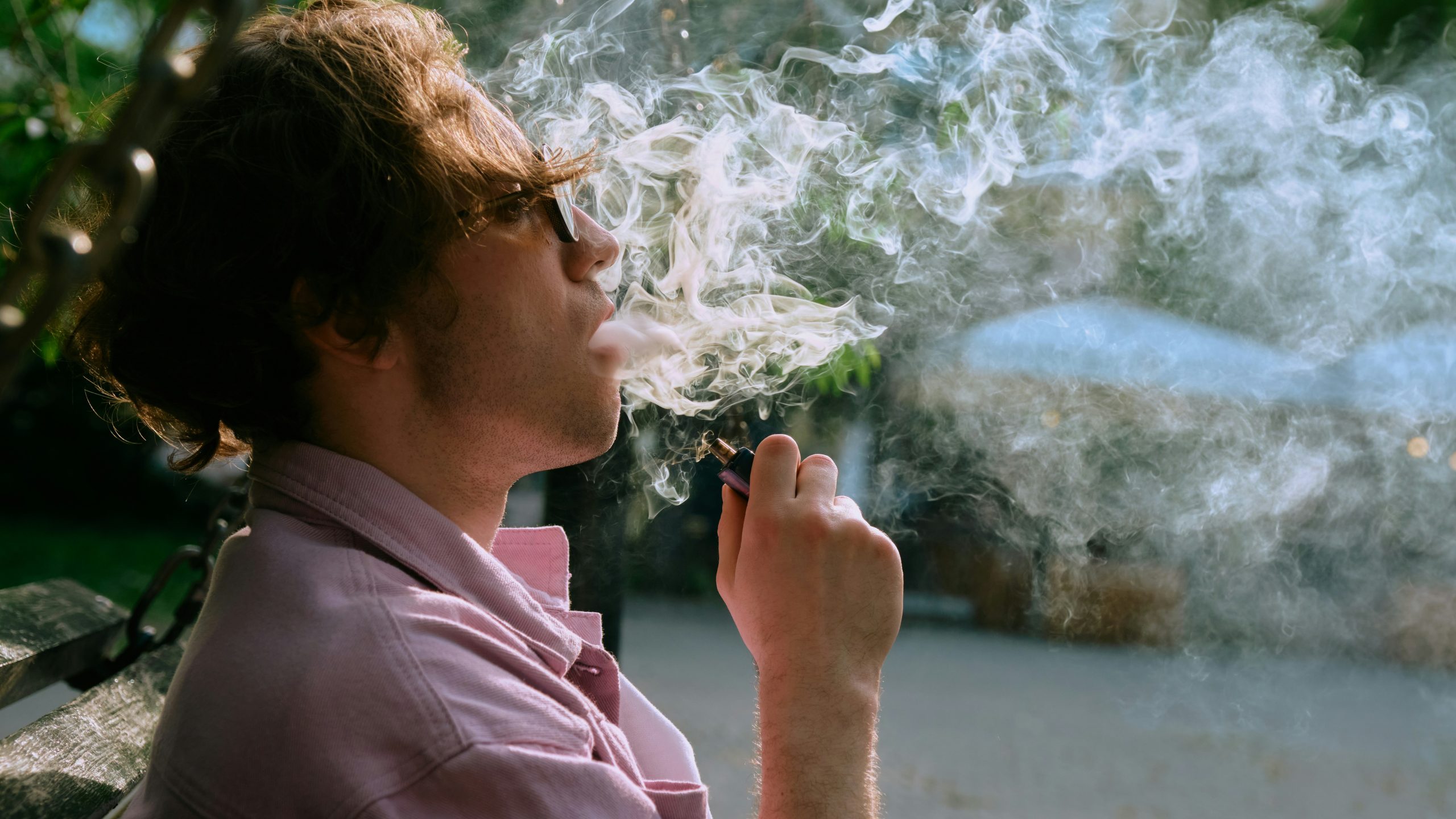
Photo by Andrej Lišakov
Related Reading
- Medical Marijuana Dosing
- How To Use Marijuana Without Smoking It
- Can You Eat Weed? What Is an Edible?
- Do Edibles Expire? How Long THC and CBD Gummies Last
- How Long Does a Weed High Last?
- How To Read Medical Marijuana Labels
- What Is Delta-8 THC?
- Dispensaries
- Medical Marijuana Card Online
Get Help Choosing a Safer Medical Marijuana Option
Smoking weed may contribute to visible skin aging because smoke exposure can affect the skin, lungs, and overall appearance. But cannabis itself is more complicated than “weed makes you old.” Product type, dose, frequency, sleep, hydration, sun exposure, skincare, and lifestyle all play a role.
If you use cannabis for medical reasons and want to reduce smoke-related risks, Green Health Docs can help you explore your options. Apply online for a medical marijuana card today to speak with a licensed medical marijuana doctor and learn whether you qualify in your state.
 This article has been reviewed by Dr. Anand Dugar, an anesthesiologist, pain medicine physician and the founder of Green Health Docs. Graduating from medical school in 2004 and residency in 2008, Dr. Dugar has been a licensed physician for almost 20 years and has been leading the push for medical cannabis nationwide.