
Do Edibles Expire? How Long THC, CBD and Weed Gummies Last
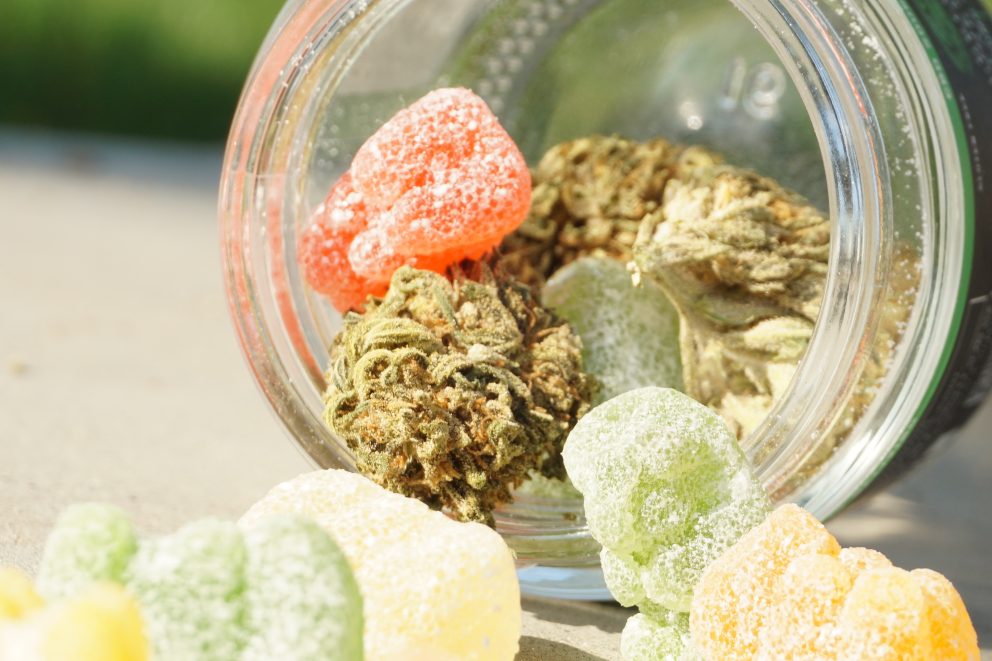
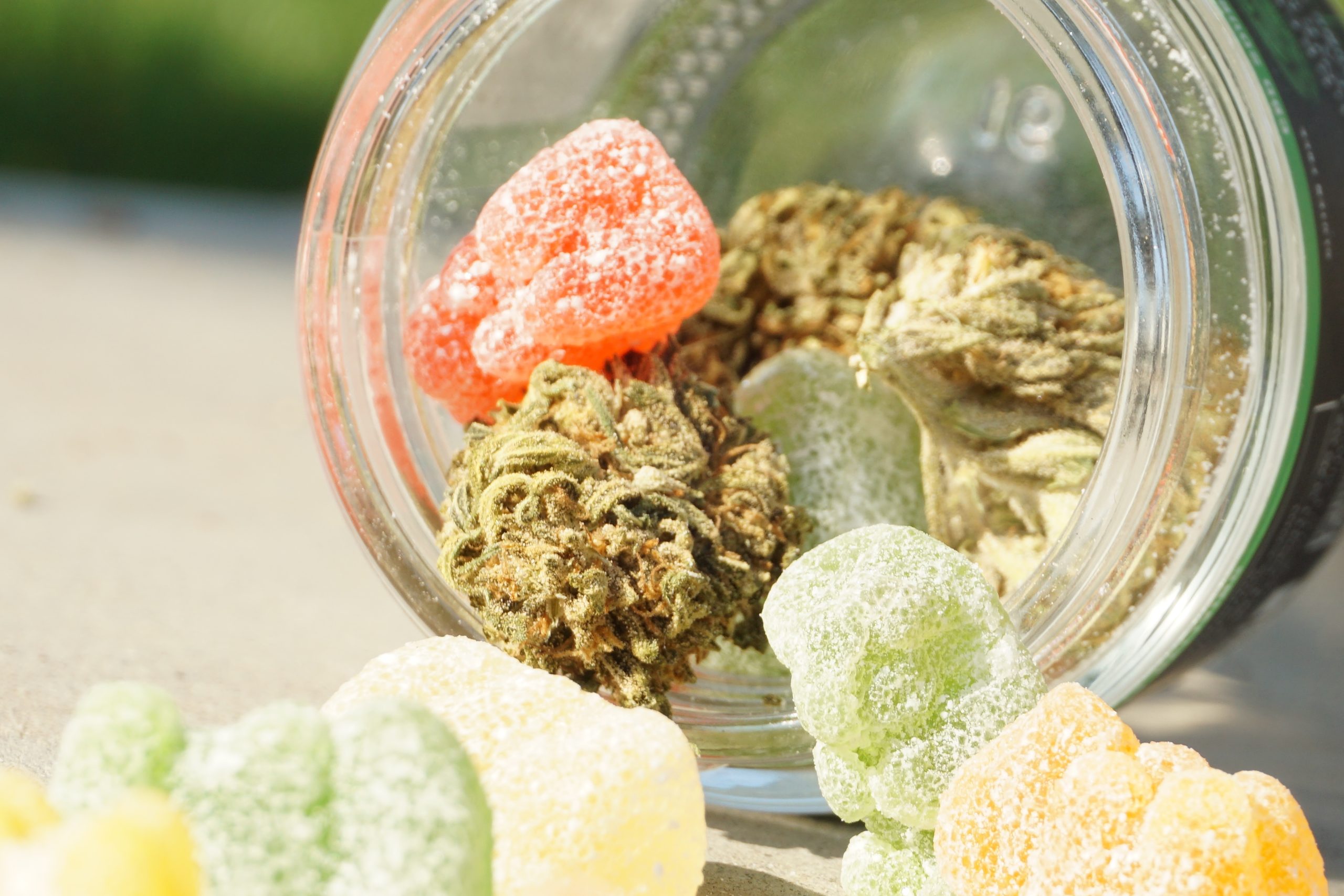
Photo by Elsa Olofsson
Executive Summary
Yes, edibles can expire. Cannabis-infused foods follow many of the same rules as non-cannabis foods: baked goods can dry out or grow mold, oils and fats can go rancid, moisture can create spoilage risks, and opened packages usually do not last as long as unopened ones. Dispensary edibles often include best-by dates, packaging dates, expiration dates, or storage instructions, and those details should be your first reference point when deciding whether an edible is still worth using. Even when an edible does not look obviously spoiled, age and poor storage can still affect its taste, texture, freshness, and reliability.
THC gummies, weed gummies, CBD gummies, and other edible products can also lose potency over time. THC and CBD do not suddenly become toxic because a date on the package has passed, but cannabinoids can degrade when exposed to heat, light, oxygen, moisture, or long storage periods. That means an older edible may feel weaker, less predictable, or different than expected, especially for patients who rely on consistent dosing. If an edible smells strange, tastes off, has visible mold, looks discolored, feels slimy, or has been stored improperly, it is safer to throw it away than risk foodborne illness or an unpleasant cannabis experience.
Why Do People Choose Edibles Over Smoking?
Edibles offer a convenient delivery system for medical marijuana, especially for beginners and patients who do not want to smoke or vape cannabis. Gummies, chocolates, cookies, brownies, capsules, beverages, and other cannabis-infused products can make medical cannabis easier to use discreetly and consistently. But before you invest in edibles or use an older product from the back of a cabinet or refrigerator, it is important to understand how expiration, storage, and potency work.
This article explains how long edibles last, whether THC gummies and CBD gummies expire, what happens if you eat expired edible gummies, how opened containers affect shelf life, and how to store edibles so they stay fresh longer. If you are newer to cannabis foods, Green Health Docs’ guide to what edibles are and how they work can also help you understand how edible products differ from smoking, vaping, tinctures, and other forms of medical cannabis.
Apply for a Medical Marijuana Card Online Today
Join over 100,000 patients who have chosen Green Health Docs as their medical cannabis doctors. We have a 99% approval rate and offer a 100% money back guarantee!
Do Edibles Expire?
Edibles do expire because they are still food. The cannabinoids may be the reason you purchased them, but the rest of the product is made from ordinary food ingredients. Cookies can go stale, oil can go rancid, chocolate can change texture, gummies can dry out, and moisture can create conditions where mold or bacteria may grow.
This is especially important with homemade marijuana edibles. Homemade brownies, cookies, cannabutter, infused oils, and other cannabis foods may not have official dosage information, preservative systems, commercial packaging, or a printed expiration date. If you are making your own edibles, the shelf life should usually be based on the most perishable ingredient in the recipe.
Dispensary edibles are usually easier to evaluate because they often include packaging dates, best-by dates, expiration dates, storage instructions, cannabinoid content, serving sizes, and allergen information. Those details can help you understand how fresh the product is, how it should be stored, and whether the edible is still likely to deliver the experience you expect. Green Health Docs’ guide to how to read medical marijuana labels explains the kinds of expiration, dosing, testing, allergen, and use instructions patients may see on cannabis packaging.
Edible Expiration Is About Both Safety and Potency
When people ask “do edibles go bad,” they are usually asking two different questions at once. The first is whether the food is still safe to eat. The second is whether the edible will still have the same cannabis effects.
Those are separate issues. An edible may still be safe from a food-safety standpoint but weaker than expected because some of the THC or CBD has degraded. The reverse can also be true: a homemade brownie may still contain active THC but be unsafe to eat because the food ingredients have spoiled.
That is why edible expiration should be evaluated through both lenses. First, consider the condition of the food itself. Then consider whether the cannabinoids may have degraded enough to make dosing less predictable.
How Long Are Edibles Good For?
There is no single shelf life that applies to every edible. How long edibles are good for depends on the ingredients, formulation, packaging, preservatives, storage temperature, and whether the product has been opened. A commercially packaged gummy may last far longer than a homemade brownie, while a cannabis beverage may have different storage needs than a chocolate bar or hard candy.
As a general rule, always start with the date and storage instructions on the package. Then consider the type of edible, whether it has been opened, and how it looks, smells, and feels.
THC Gummies and Weed Gummies
THC gummies and weed gummies often last longer than baked edibles because they are typically made with sugar, gelatin or pectin, flavoring, cannabinoids, and other shelf-stable ingredients. Unopened gummies stored in a cool, dark, dry location may stay fresh for several months, and some products may last longer depending on the formula and packaging.
That does not mean THC gummies last forever. Gummies can dry out, become grainy, stick together, change color, absorb moisture, grow mold, or taste stale. They can also lose potency as THC degrades, especially if the package has been sitting in sunlight, heat, humidity, or an opened container.
The safest answer is to follow the expiration date or best-by date on the package. If there is no date, or if the gummies were repackaged, stored loosely, exposed to heat, or handled frequently, use more caution. A weed gummy that looks or smells wrong is not worth eating just because gummies are generally more shelf-stable than baked goods.
Edible Gummies
Edible gummies often have a shelf life of several months, and many commercially made gummies may last around six months to a year when properly packaged and stored. Exact timing varies by brand, ingredients, preservatives, moisture content, and storage conditions. Gummies with natural ingredients, less sugar, or fewer preservatives may not last as long as more traditional candy-style gummies.
Opened packages usually have a shorter usable life than unopened packages. Once a package is opened, the gummies are exposed to oxygen, humidity, microbes from handling, and changing temperatures. If you open a container and touch the gummies repeatedly, the product may degrade faster than it would in a sealed, individually wrapped package.
Cannabis gummies also have one extra issue that regular gummies do not: cannabinoid potency. A regular gummy may simply become stale or unpleasant over time. A THC or CBD gummy can become stale while also delivering a weaker or less predictable effect.
Cookies, Brownies, and Baked Edibles
Cookies, brownies, cakes, and other baked edibles usually have a shorter shelf life than gummies or hard candies. They may contain butter, eggs, milk, cream, or other ingredients that can spoil. Homemade baked edibles should be treated especially carefully because they often lack preservatives, commercial packaging, and printed expiration dates.
Preservatives can extend the usable life of some store-bought baked edibles, but the best-by date on the package should still be your guide. If a cannabis cookie or brownie smells sour, appears moldy, feels damp, or has been sitting out for longer than the non-cannabis version of that food would normally last, it should be discarded.
Refrigeration or freezing may help extend the life of some baked edibles. However, cold storage does not make spoiled food safe again. If a baked edible already looks or smells questionable, do not try to rescue it by freezing it. Patients making edibles at home may also want to review Green Health Docs’ guide to making cannabutter and brownies for more background on homemade edible preparation.
Chocolates, Hard Candies, and Beverages
Cannabis chocolates and hard candies may last longer than baked goods, but they still have limits. Chocolate can change texture, bloom, melt, absorb odors, or be affected by heat. Hard candies are often more shelf-stable because they contain less moisture, but they can still become sticky, grainy, stale, or less potent over time.
Cannabis beverages should be evaluated differently. Some drinks may require refrigeration, and opened beverages should usually be treated more cautiously than sealed shelf-stable products. Always follow the label instructions for cannabis drinks, especially if the product contains dairy, juice, carbonation, or other ingredients that can change quickly after opening.
With all of these products, the condition of the edible matters as much as the date. A product that is technically within date but was stored in a hot car, humid room, or open container may decline faster than expected.
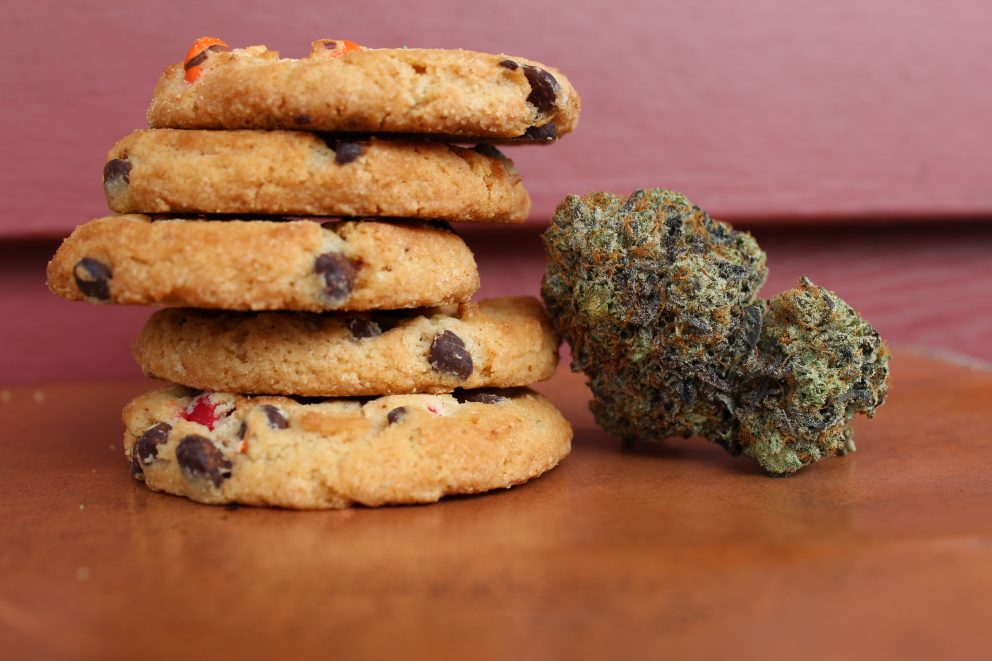
Photo by Margo Amala
How Long Do Edibles Last When Opened?
Edibles usually last for less time once they are opened. Opening the package introduces oxygen and can expose the product to moisture, bacteria, mold spores, and repeated handling. Even if the edible was shelf-stable before opening, the clock starts moving faster once the seal is broken.
For opened gummies and candies, the main concerns are drying, stickiness, texture changes, moisture, visible mold, and potency loss. For opened baked goods, beverages, or products with dairy, eggs, butter, or fresh ingredients, the concern is more serious because perishable ingredients can spoil faster.
When a package says “consume within” a certain number of days after opening, follow that instruction. If the product does not give a clear opened-package window, use the natural shelf life of the food as your guide. A cannabis brownie should not be treated as safer than a regular brownie just because it contains THC.
Should You Keep Edibles in the Original Container?
Yes, it is usually best to keep edibles in their original container when possible. Original packaging helps preserve the product, protect it from light and air, and keep the label information with the edible. That label may include the expiration date, serving size, cannabinoid content, lot number, allergen information, and instructions for use.
Keeping edibles in their original child-resistant packaging can also reduce the risk of accidental ingestion. Cannabis gummies, chocolates, and baked goods can look like ordinary snacks, especially to children, pets, roommates, or guests. If you transfer edibles to another container, make sure the new container is airtight, clearly labeled, child-resistant when possible, and stored securely away from children and animals.
Original packaging also helps patients avoid dosing mistakes. If you separate an edible from its label, you may forget the THC content, CBD content, serving size, or recommended onset time. That can make an older edible even harder to evaluate safely.
Do Edibles Lose Potency Over Time?
Yes, edibles can lose potency over time. THC is sensitive to heat, light, oxygen, and time. When THC degrades, it may convert into other cannabinoids, including CBN, which is often associated with more sedating effects. This can make an older edible feel weaker, different, or sleepier than expected.
CBD edibles can also lose potency. Like THC, CBD can degrade when exposed to oxygen, light, heat, and poor storage conditions. The result may be a product that still looks edible but no longer produces the same effect the patient expected when it was fresh.
This is why storage matters. If you want edibles to retain their strength, keep them cool, dark, dry, sealed, and protected from air. Avoid storing cannabis edibles in a hot car, sunny windowsill, humid bathroom, or loosely closed bag. Patients who want to understand the cannabinoid that can form as THC ages can read more about what CBN is and how it differs from CBD.
Do THC Gummies Lose Potency Over Time?
THC gummies can lose potency over time even when the gummy itself has not visibly spoiled. The food portion and the cannabinoid portion do not always age at the same pace. A gummy may still look normal but contain less active THC than when it was manufactured.
For patients, this can create dosing uncertainty. You may be tempted to take more because an older gummy seems weak, but the actual strength may be hard to judge. It is usually better to replace very old products than to guess at a new dose based on how stale or weak they seem.
THC gummies that were exposed to heat, sunlight, humidity, or oxygen are more likely to lose potency faster. Even if the package has not reached its printed expiration date, poor storage can make the edible less reliable.
Do Edibles Lose Potency After a Year?
Some edibles may still contain active cannabinoids after a year, especially if they were sealed and stored properly. However, a year is long enough for potency, flavor, texture, and ingredient quality to become less reliable. Heat, light, oxygen, and moisture can all speed up that decline.
If an edible is more than a year old, check the package date, storage instructions, and condition of the food before considering it. If it was opened, homemade, stored in heat, or made with perishable ingredients, it is better to be cautious. If you need consistent medical effects, an old edible is usually not the best choice.
This is especially true for patients who use cannabis to manage symptoms on a regular schedule. A gummy that feels weaker than expected may tempt you to take another dose too soon. Since edibles can take time to fully activate, that can create an uncomfortable or overly strong experience if the product is not as weak as you assumed.
Photo by Elsa Oloffson
Do CBD Gummies and CBD Edibles Expire?
CBD gummies and CBD edibles can expire just like THC edibles. Even though CBD itself may not spoil in the same way as food, the edible contains ingredients that can go bad. Gummies, chocolates, baked goods, beverages, oils, and capsules all have different storage needs and shelf-life limits.
CBD can also degrade over time. Expired CBD gummies may not produce the same effect as a fresh product, especially if they have been exposed to heat, sunlight, air, or humidity. If the product smells strange, looks moldy, tastes rancid, has changed texture, or is far past its expiration date, it is better to discard it.
Many CBD edibles have a shelf life of several months to about a year when stored properly, but the exact timing depends on the product. CBD hard candies and capsules may last longer than CBD brownies, cookies, or beverages. CBD gummies often fall somewhere in the middle, depending on the ingredients and packaging.
What Is the Shelf Life of CBD Edibles?
Most CBD edibles have a shelf life ranging from several months to about one year when stored properly. Some products may last longer, especially if they are sealed, shelf-stable, and made with ingredients that naturally resist spoilage. Capsules and hard candies may hold up better than CBD baked goods, drinks, or products with dairy-based ingredients.
The best guide is the manufacturer’s date and storage instructions. If a CBD edible does not have a clear label, was purchased from an unregulated source, or has been stored outside its recommended conditions, be more cautious. For medical patients, consistency and safety matter more than squeezing one last serving out of an old product.
CBD edibles should also be stored away from heat, light, and moisture. Even when the food portion still looks fine, poor storage can reduce quality and make the product less predictable. If you are using CBD for a specific wellness or medical goal, a fresh, clearly labeled product is usually the better choice.
Can You Eat Expired Edibles?
You may be able to eat some expired edibles without an immediate problem, but that does not mean it is always a good idea. The risk depends on the type of edible, how expired it is, how it was stored, and whether there are signs of spoilage. Cannabinoids do not become poisonous just because a date has passed, but the food ingredients can become unsafe.
The biggest concern with expired edibles is food safety. Mold, bacteria, rancid fats, spoiled dairy, and improperly stored homemade foods can cause gastrointestinal distress or foodborne illness. The second concern is potency. An expired edible may not deliver the same THC or CBD effects, which can make dosing less reliable.
Do not rely only on whether an edible “looks fine.” Some spoiled foods are obvious, but others may not show dramatic changes in taste, smell, or appearance. If you are unsure about an edible’s safety, the safest choice is to throw it away.
What Happens If You Eat Expired Gummy Edibles?
If you eat expired gummy edibles, the most likely outcome is that they taste stale, feel dry or grainy, or produce weaker effects than expected. Gummies are often more shelf-stable than baked goods, so a slightly outdated gummy that has been sealed and stored correctly may not be as risky as a homemade brownie that has been sitting out for days.
However, expired gummy edibles can still be unsafe if they show signs of mold, smell strange, feel slimy, have been exposed to moisture, or were stored in heat. You may also experience little to no cannabis effect if the THC or CBD has degraded. If you do eat an expired edible and develop severe vomiting, diarrhea, confusion, chest pain, trouble breathing, or another concerning reaction, seek medical help.
The bigger issue is that expired THC gummies can be hard to dose. You may expect them to be weaker and take more than usual, but there is no easy way to know how much active THC remains. That uncertainty is one of the main reasons old edibles are not ideal for medical cannabis patients.
What Happens If You Eat an Expired Edible Made With Perishable Ingredients?
Expired baked edibles can be riskier than expired gummies. Cookies, brownies, cakes, and other baked goods may contain butter, eggs, milk, cream, or other ingredients that do not last indefinitely. Homemade edibles are especially important to treat like regular homemade food because they often lack preservatives and sealed commercial packaging.
If a baked edible is moldy, damp, rancid, sour-smelling, or has been stored at room temperature for too long, throw it away. Do not assume that cannabis protects the rest of the ingredients from spoilage. The edible may still contain THC, but that does not make spoiled food safe.
Perishable edibles should also be handled carefully after opening. If a product needs refrigeration, leaving it at room temperature can shorten its shelf life and increase the risk of spoilage. When in doubt, use the same caution you would use with any other food containing dairy, eggs, butter, or fresh ingredients.
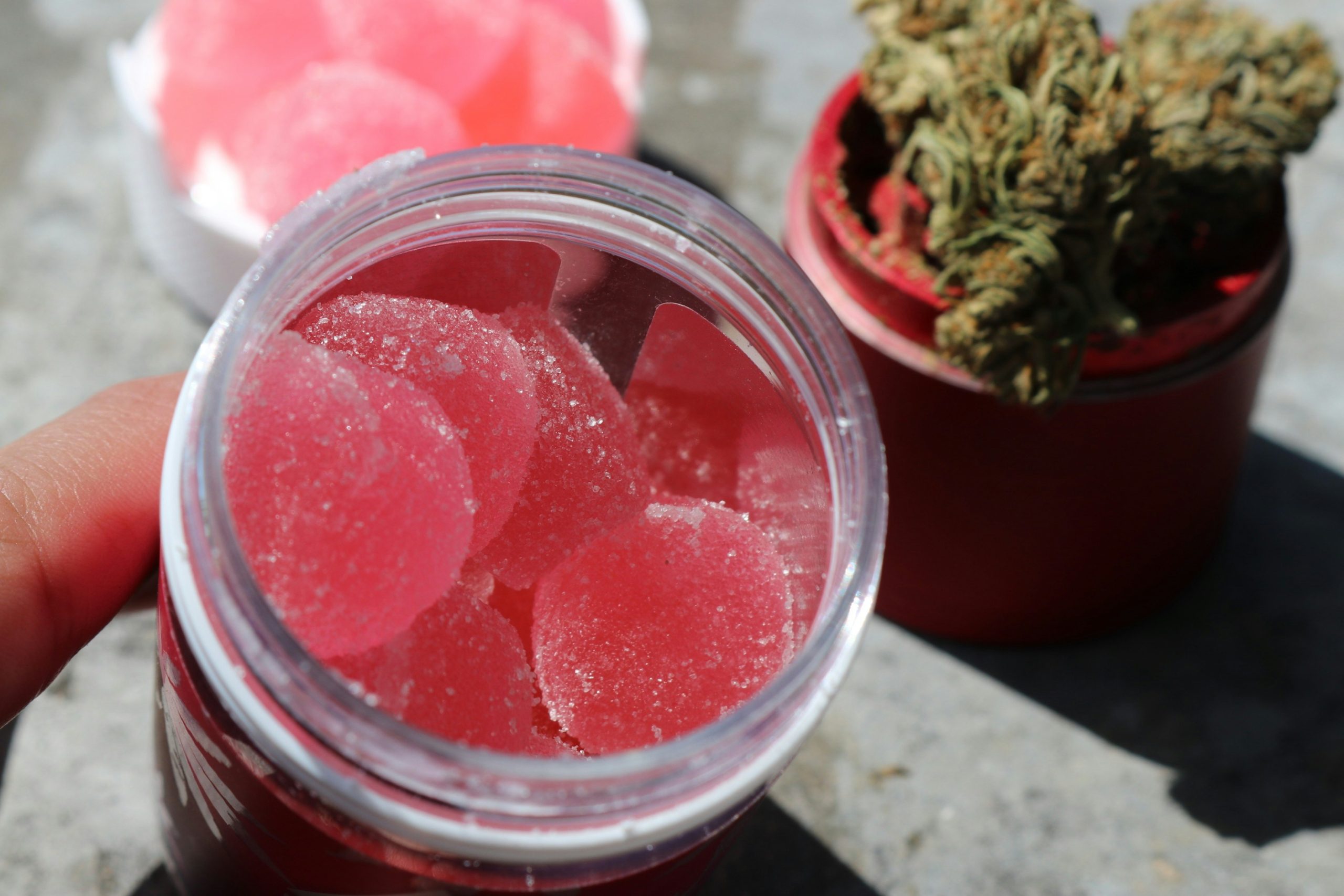
Photo by Elsa Oloffson
How To Tell If Edibles Have Gone Bad
The most obvious sign that edibles have gone bad is visible mold. Mold may appear as fuzzy spots, unusual discoloration, dark specks, white patches, or growth on the surface. If one edible in a package is moldy, it is safest to discard the whole package rather than picking around the affected piece.
Smell and texture can also tell you a lot. Rancid oil, sour dairy, stale baked goods, slimy textures, unusual stickiness, bubbling, leaking, or a sharp chemical smell can all suggest the edible is no longer safe or pleasant to eat. Gummies that are simply a little dry may not be dangerous, but gummies that smell off, appear wet, or show mold should not be consumed.
Taste should not be your main test. If an edible looks or smells suspicious, do not “test” it with a small bite. Some unsafe foods do not taste dramatically different, and an expired cannabis product may also create an unpredictable experience if the dose has changed over time.
Signs To Throw Edibles Away
Throw edibles away if you notice mold, unusual discoloration, a rancid or sour smell, a slimy texture, leaking packaging, unexpected moisture, or a taste that seems clearly off. You should also discard edibles that were stored in unsafe conditions, such as a hot car, direct sunlight, a humid bathroom, or an open container for an unknown amount of time.
It is also smart to discard edibles if you cannot identify what they are. If the label is missing, the dose is unknown, or the product was transferred into an unmarked bag or container, it is difficult to know how strong it is or whether it was stored correctly. For patients, that can make the edible more trouble than it is worth.
Cannabis edibles should be predictable, clearly labeled, and stored securely. If an edible fails those basic checks, replacing it is usually safer than guessing.
Can You Freeze Edibles?
Yes, you can freeze some edibles, and freezing can help extend the life of certain products. Baked edibles like cookies, brownies, and infused baked goods often freeze better than they sit at room temperature. Cannabutter and some infused oils may also be stored in the freezer if they are packaged properly.
Freezing is most useful for slowing food spoilage and preserving quality. It can also protect cannabinoids from heat and light when the product is wrapped well and stored in an airtight container. However, freezing does not make a spoiled edible safe again. If a product already looks moldy, smells rancid, or has been stored improperly, discard it instead of freezing it.
Texture is the main downside. Gummies, chocolates, beverages, and candies may not thaw with the same texture they had when fresh. Chocolate can bloom, gummies can become sticky or tough, and beverages may separate. If you freeze edibles, label them clearly, keep them sealed, and thaw only what you plan to use.
Which Edibles Freeze Best?
Baked edibles usually freeze best. Brownies, cookies, muffins, and similar items can often be wrapped tightly and frozen in portions. This can help preserve freshness and make it easier to avoid opening and closing the same container repeatedly.
Cannabutter may also freeze well when stored in an airtight, clearly labeled container. If you make homemade edibles from cannabutter, freezing the butter or portioned baked goods may be easier than trying to preserve a finished edible at room temperature. Green Health Docs’ guide to making homemade cannabis oil may also be useful for patients who want to better understand infused oils used in edible recipes.
Gummies, chocolates, and beverages are more unpredictable in the freezer. They may still be usable, but the texture can suffer. If the product label gives storage instructions, follow those before deciding to freeze it.
How To Store Edibles So They Last Longer
The best way to increase the shelf life of edibles is to store them according to the package instructions. For many gummies, chocolates, capsules, and candies, that means a cool, dark, dry place. For refrigerated products, beverages, homemade foods, or edibles with perishable ingredients, that may mean the refrigerator or freezer.
Heat, sunlight, oxygen, and humidity are some of the biggest enemies of both food quality and cannabinoid potency. A hot car, sunny counter, bathroom cabinet, or loose plastic bag can shorten the life of an edible. Whenever possible, keep edibles sealed and protected from temperature swings.
Airtight packaging helps reduce exposure to oxygen and moisture. Original packaging is usually best because it keeps the edible with its label, dose, expiration date, and safety information. If you use another container, label it clearly as cannabis and include the dose, date, and product type.
Store Edibles Away From Children and Pets
Cannabis edibles can look like ordinary candy, cookies, brownies, or snacks. They should always be stored securely away from children and pets, ideally in child-resistant packaging. This is not only a freshness issue, but a safety issue.
If possible, keep edibles in a locked cabinet, lockbox, or other secure location. Do not leave them in a purse, backpack, nightstand, car, kitchen counter, or refrigerator area where a child or pet could access them. Even CBD products should be stored carefully, especially if the package also contains THC or other cannabinoids.
Clear labeling matters too. If you make homemade edibles, mark the container with the date, ingredients, estimated dose, and a clear warning that the food contains cannabis. This reduces the risk that someone mistakes the edible for a regular snack.
Buy Only What You Can Use Within a Reasonable Time
Stocking up may seem convenient, but older edibles may lose quality and potency before you use them. Patients who rely on medical cannabis for symptom relief may be better served by buying smaller amounts more consistently. That helps reduce waste and keeps dosing more predictable.
This is especially true if you are still learning which edible type, dose, and timing works best for you. Buying too much of one product can leave you with old gummies, stale cookies, or a dose that no longer matches your needs. Smaller purchases can make it easier to keep products fresh and adjust your routine with guidance from your medical cannabis provider.
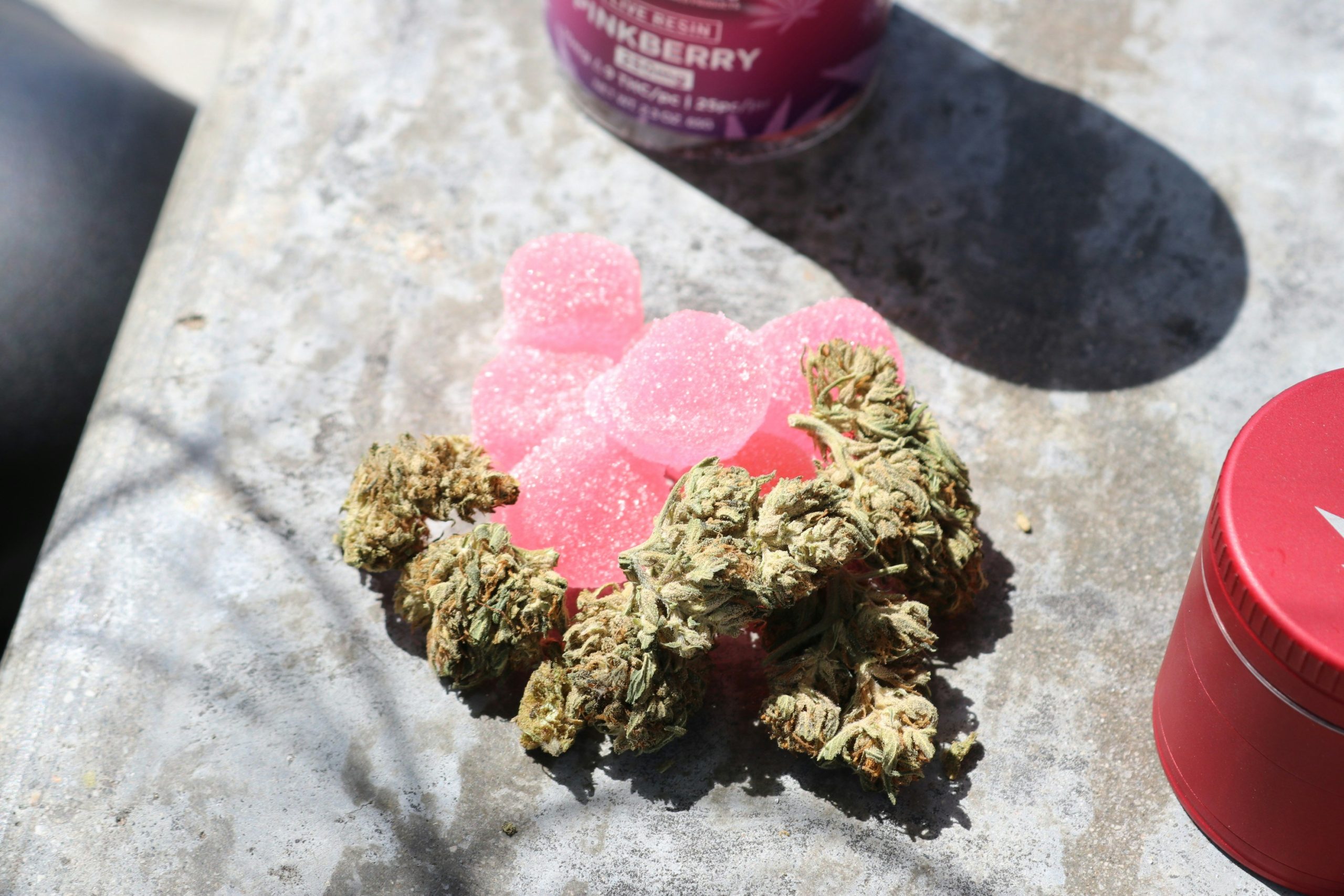
Photo by Elsa Oloffson
How Long Does an Edible High Last?
The length of an edible high depends on the dose, THC content, your metabolism, your tolerance, what you have eaten, and your individual response to cannabis. Unlike smoking or vaping, edibles must move through the digestive system before many effects become noticeable. The liver also converts THC into 11-hydroxy-THC, which can feel stronger or last longer for some people.
Many people begin to feel edible effects within 30 minutes to 2 hours, but timing can vary. The effects often last several hours and may last longer after a high dose. If an edible is old or degraded, the effects may be weaker or less predictable, which is another reason not to rely on expired products for consistent medical use.
If you are new to edibles, start with a low dose and wait long enough before taking more. Taking a second dose too quickly is one of the most common reasons people have uncomfortable edible experiences. A fresh, clearly labeled product makes it easier to understand the serving size and expected onset time. For more patient-focused guidance, review Green Health Docs’ resource on medical marijuana dosing.
Key Takeaways
- Edibles can expire because they are still food, even when they contain THC, CBD, or other cannabinoids.
- THC gummies and weed gummies often last longer than baked goods, but they can still dry out, change texture, grow mold, or lose potency over time.
- CBD gummies and CBD edibles can also expire, especially if they contain oils, sugars, gelatin, dairy, moisture, or other ingredients that break down.
- Unopened edibles usually last longer than opened edibles because sealed packaging limits oxygen, moisture, and handling.
- THC and CBD may degrade over time, especially when exposed to heat, light, air, or humidity.
- Baked edibles, homemade edibles, and products made with dairy, eggs, butter, or fresh ingredients should be treated more cautiously than shelf-stable candies.
- Freezing can help extend the life of some edibles, especially brownies, cookies, and cannabutter, but it may affect texture and taste.
- If an edible looks moldy, smells rancid, feels slimy, tastes unusual, or has been stored in unsafe conditions, throw it away.
FAQs About Edible Expiration and Storage
Should I Try a Small Bite To See If an Expired Edible Is Still Good?
No, you should not use a small bite as a test if the edible looks, smells, or feels suspicious. A tiny amount may seem harmless, but taste is not a reliable way to determine whether food is safe. Some spoiled foods can contain bacteria, mold, or toxins without tasting dramatically different right away. If an edible has visible mold, a rancid smell, a slimy texture, unusual discoloration, or signs of moisture damage, it should be discarded rather than sampled.
A small bite can also create dosing confusion. If the edible still contains active THC, even a small amount may affect you, especially if you are sensitive to cannabis edibles or have a low tolerance. If the product is old, the potency may also be harder to predict, which can make it difficult to know whether a second dose is safe or necessary. For medical marijuana patients, it is usually better to replace questionable edibles with a fresh, clearly labeled product. That way, the dose, expiration date, and storage instructions are clear from the start.
Are Expired Edibles Riskier for Some Medical Marijuana Patients?
Yes, expired or questionable edibles may be riskier for some medical marijuana patients. People with weakened immune systems, serious chronic conditions, gastrointestinal issues, or a higher risk of foodborne illness should be especially cautious with expired cannabis foods. Older adults and patients taking medications that affect digestion, alertness, or immune response may also want to avoid taking chances with old or poorly stored edibles. The concern is not only the THC or CBD, but the food ingredients that may have spoiled.
This is especially important when edibles are used for symptom management. If a patient relies on a specific dose for pain, nausea, sleep, appetite, anxiety, or another qualifying condition, an expired edible may not provide the same predictable effect. A weaker product can lead someone to take more than usual, while a stale or contaminated product can create avoidable discomfort. Fresh, properly stored, clearly labeled edibles are usually the safer option for patients who need consistency.
What Should I Do If a Child or Pet Eats an Edible?
If a child eats a cannabis edible, treat it as a serious situation and contact poison control or seek medical guidance right away. Edibles can look like ordinary candy, cookies, brownies, or chocolate, which makes accidental ingestion more likely when products are not stored securely. Children may consume multiple servings before anyone realizes what happened, and even a small amount of THC can affect a child differently than an adult. Keep the package nearby so you can share the product type, THC or CBD content, serving size, and ingredients with a medical professional.
Pets can also be harmed by cannabis edibles, especially products that contain THC, chocolate, xylitol, or other ingredients that may be dangerous for animals. If a dog, cat, or other pet eats an edible, contact your veterinarian or an emergency veterinary clinic as soon as possible. Do not wait to see whether symptoms become severe before asking for help. To prevent accidents, store edibles in their original child-resistant packaging and keep them in a locked or otherwise secure location away from children and animals.
Are Homemade Edibles Harder To Judge Than Dispensary Edibles?
Yes, homemade edibles are usually harder to judge than dispensary edibles. They often do not have lab-tested potency, printed expiration dates, standardized serving sizes, commercial packaging, or clear storage instructions. The THC or CBD may also be unevenly distributed throughout the batch, which means one brownie, cookie, or piece of candy may be stronger than another. That makes both freshness and dosing harder to evaluate over time.
For storage, homemade edibles should be treated like the non-cannabis version of the same food. Homemade brownies, cookies, cakes, cannabutter, oils, and refrigerated items should be stored according to their ingredients rather than assumed safe because they contain cannabis. If the edible contains butter, dairy, eggs, fresh fruit, cream, or other perishable ingredients, it may need refrigeration or freezing sooner than a shelf-stable dispensary gummy. When making edibles at home, label them clearly with the date, estimated dose, ingredients, and storage instructions.
Can I Travel With Edibles If They Are Still in the Original Package?
Keeping edibles in the original package can help show the product name, dose, expiration date, ingredients, and dispensary labeling, but it does not automatically make travel legal. Cannabis laws vary by state, and marijuana remains illegal under federal law. Crossing state lines with THC products can create legal risk even for patients who have a valid medical marijuana card in their home state. Flying with cannabis can also be complicated because airports and air travel involve federal jurisdiction.
Patients should check the laws in their departure location, destination, and any states they may pass through before traveling with edibles. This is especially important for THC gummies, chocolates, beverages, and other products that may look like ordinary snacks but are still regulated cannabis products. CBD products may also have different rules depending on THC content and local law. For more context, review Green Health Docs’ guide to flying with medical marijuana before packing cannabis products for travel.
Does the Expiration Date Mean the Edible Will Still Feel the Same Until That Day?
Not necessarily. An expiration date, best-by date, or use-by date is helpful, but it is not a guarantee that the edible will feel exactly the same until that date. Storage conditions still matter, and poor storage can affect freshness, texture, flavor, and potency before the printed date arrives. A package of gummies stored in a hot car, sunny windowsill, or humid bathroom may decline much faster than one stored in a cool, dark, dry cabinet.
The opposite can also be true: some shelf-stable edibles may still appear normal shortly after a best-by date if they were sealed and stored properly. That does not mean the manufacturer is guaranteeing the same experience past the printed date. For medical cannabis patients, potency consistency can matter just as much as food freshness. If the edible is expired, was opened long ago, or was stored improperly, it is better to be cautious rather than assume the date is the only factor.
Should I Replace Old Edibles Instead of Taking a Larger Dose?
Usually, yes. Taking a larger dose of an old edible to make up for possible potency loss can be unpredictable. You may assume the THC or CBD has weakened, but without lab testing, there is no easy way to know how much active cannabinoid remains. This can lead to an uncomfortable experience if the edible is stronger than expected or if you take more before the first dose fully takes effect.
Replacing old edibles is especially smart for patients who use medical cannabis for consistent symptom relief. A fresh product with clear labeling makes it easier to understand the dose, serving size, expected onset time, and storage requirements. It also reduces the risk of eating something that has gone stale, rancid, moldy, or otherwise questionable. If an edible is very old or difficult to evaluate, replacing it is usually safer than trying to adjust the dose yourself.
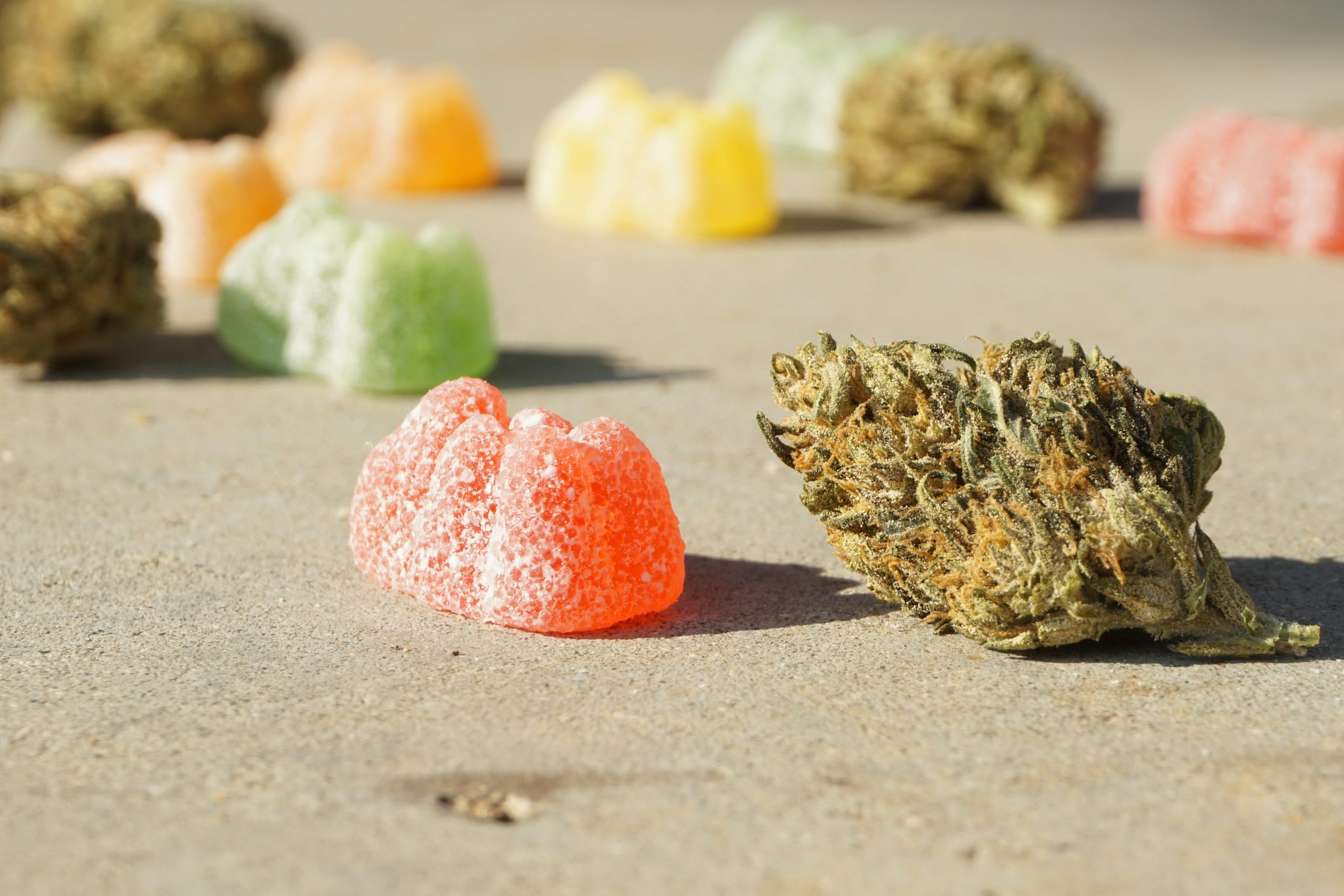
Photo by Elsa Oloffson
Related Reading
- Can You Eat Weed? What Is an Edible?
- How To Read Medical Marijuana Labels
- Staying Safe and Healthy While Using Cannabis Edibles
- Medical Marijuana Edibles: Making Cannabutter & Brownies
- Cannaoil Secrets & How To Make Homemade Cannabis Oil
- Medical Marijuana Dosing
- What Is CBN?
- Can You Fly With Medical Marijuana? TSA Medical Cannabis Rules
Get Guidance Before Choosing Medical Cannabis Products
Edibles can be a useful option for patients who want long-lasting cannabis effects without smoking or vaping. But they should still be treated like food and used with care. Check the label, follow the storage instructions, avoid expired or suspicious products, and remember that older edibles may not deliver the same potency or experience.
If you are considering medical marijuana or want to better understand whether edibles may fit your treatment goals, Green Health Docs can help. Apply online for a medical marijuana card today to speak with a licensed medical marijuana doctor and learn whether you qualify for your state’s medical cannabis program.
This article has been reviewed by Dr. Anand Dugar, an anesthesiologist, pain medicine physician and the founder of Green Health Docs. Graduating from medical school in 2004 and residency in 2008, Dr. Dugar has been a licensed physician for almost 20 years and has been leading the push for medical cannabis nationwide.