
Weed Buying Rules: How Much Weed Can You Have Legally? And How To Check Your Medical Card Limit
Photo by Wesley Gibbs
Executive Summary
There is no single national answer to how much weed you can buy, carry, or possess legally. Marijuana limits depend on your state, whether you are a medical patient or adult-use customer, the type of product you want to buy, and the timeframe your state uses to track purchases. A medical marijuana card may give qualifying patients access to higher purchase limits, lower taxes, medical-only products, or stronger legal protections in some states, but it does not allow patients to ignore state possession rules, dispensary tracking systems, or product-specific limits.
If you are wondering how to check your limit on your medical card, start with your state’s medical cannabis patient portal, your dispensary, or your physician certification. Many states track medical cannabis purchases through a central system, so visiting multiple dispensaries in one day usually does not reset your allotment. You may be able to go to more than one dispensary, or even the same dispensary twice, but you cannot legally buy more than your state allows. This guide explains how medical card limits work, how much weed you can buy in a day, how carts and edibles may count toward your allotment, and what to know before your next dispensary visit.
Cannabis laws can change quickly, and this article is for general education only. Always check your state’s current medical marijuana rules, your patient portal, and your dispensary’s guidance before making a purchase.
Apply for a Medical Marijuana Card Online Today
Join over 100,000 patients who have chosen Green Health Docs as their medical cannabis doctors. We have a 99% approval rate and offer a 100% money back guarantee!
How To Check the Limit on Your Medical Marijuana Card
The best way to check the limit on your medical marijuana card depends on the state where your card was issued. Many states use an online patient portal where you can view your certification, registration status, purchase history, and remaining allotment. Other states may require you to ask a licensed dispensary, review your physician recommendation, or contact the state cannabis program directly.
Your medical card limit is not always a simple monthly number. Some states use a rolling purchase window, some use a fixed supply period, and some convert products into equivalent units across flower, concentrates, vapes, and infused products. That means a cart, edible, tincture, or concentrate may reduce your available allotment differently than flower.
Check Your State Patient Portal
If your state has a medical cannabis patient portal, that is usually the best place to start. Patient portals may show your active registration, expiration date, certification status, caregiver information, and remaining purchase allotment. In some states, you may need to log in before you visit a dispensary to confirm your certification and available limit.
The exact portal name varies by state. Some states use a cannabis-specific registry, while others use a broader state licensing or health department system. If you do not know where to log in, check your state cannabis agency’s website or ask the dispensary where you plan to shop.
Ask a Licensed Dispensary To Check Your Remaining Allotment
A licensed dispensary can often check your remaining allotment before you make a purchase. This can be especially helpful if you recently bought cannabis from another dispensary, purchased several product types, or are not sure how much of your monthly or rolling limit remains. Dispensary staff may not be able to give legal advice, but they can usually explain what the system shows at the time of checkout.
This is also why trying to exceed your limit by visiting multiple dispensaries rarely works. In many states, dispensaries report purchases into a shared tracking system or state database. If you have already reached your limit, a different dispensary may see that you do not have enough allotment left to complete another purchase.
Patients who are still learning where to shop can review Green Health Docs’ dispensary resources for more information about medical cannabis access.
Review Your Physician Certification or Recommendation
Your medical cannabis certification may affect how much you can purchase. Some states allow providers to recommend a specific supply amount, product type, treatment period, or dosing limitation. Other states use a standard allotment unless a provider certifies that the patient needs more.
If your certification is unclear, contact the provider who certified you or the state medical cannabis program. Do not assume that every patient in your state has the same limit. Your condition, provider recommendation, caregiver status, and state rules may all affect what you can buy.
Photo by Budding
How Much Weed Can You Buy With a Medical Card?
How much weed you can buy with a medical card depends on your state’s medical marijuana program. Some states use ounces of flower, some use grams of THC, some use a day-supply system, and some convert products into equivalency units. In many states, medical patients can buy more than adult-use customers, but that is not universal.
A medical marijuana card may also give patients other benefits beyond purchase limits. Depending on the state, a card may provide access to medical dispensaries, regulated products, tax savings, caregiver support, or products that are not available in the adult-use market. Green Health Docs explains more about these differences in its guide to the benefits of having a medical marijuana card.
Medical vs. Recreational Purchase Limits
Medical and recreational cannabis limits are often different because the programs serve different purposes. Medical programs are designed for qualifying patients who use cannabis for approved health conditions. Adult-use programs are designed for adults who meet the state’s age requirements, usually 21 and older.
In some states, medical patients may have higher purchase limits, stronger product access, or different tax treatment. In other states, adult-use and medical limits may be closer together. The important point is that your status at the dispensary matters, and you should make sure the dispensary knows whether you are purchasing as a medical patient or adult-use customer.
Why Medical Card Limits Vary by State
Medical marijuana programs are created by state law, not one national cannabis system. That is why one state may use ounces of flower while another uses grams of THC, product equivalencies, or a supply period. Even two legal cannabis states may track purchases in very different ways.
Federal cannabis policy has also changed since this article was originally published, but those changes do not create a single national purchase limit or allow patients to ignore state rules. Green Health Docs’ article on the marijuana Schedule III update explains why careful expectations are important as federal cannabis policy continues to evolve. Purchase limits, possession limits, dispensary rules, reciprocity, delivery, and transportation still depend heavily on the state where you are located.
When in doubt, follow your state’s current medical cannabis program instructions.
Purchase Limits vs. Possession Limits
Purchase limits and possession limits are related, but they are not always the same thing. A purchase limit controls how much cannabis a dispensary can sell you during a transaction or timeframe. A possession limit controls how much cannabis you can legally have on you, in your vehicle, or at home.
This distinction matters because you may be able to buy a certain amount over time without being allowed to carry that entire amount everywhere you go. Some states allow larger amounts to be stored at home than carried in public. Others use medical supply periods that do not translate neatly into a single “how much weed can I have on me?” answer.
How Much Weed Can You Legally Carry?
How much weed you can legally carry depends on your state and whether you are a medical patient or adult-use customer. Some states set a specific public possession limit in ounces of flower or grams of concentrate. Others connect medical possession to a patient’s certified supply.
A medical card does not automatically protect you if you carry more cannabis than your state allows. It also does not usually allow public consumption, impaired driving, or transporting cannabis across state lines. If you are carrying cannabis outside your home, check your state’s current rules and keep products in their original packaging when possible.
Patients who travel between states should be especially cautious. Green Health Docs’ guide to medical marijuana reciprocity explains why a card from one state may not automatically work in another.
How Much Weed Can You Have at Home?
Some states allow adults or medical patients to possess more cannabis at home than they can carry in public. This may include stored flower, concentrates, infused products, or cannabis grown under home cultivation rules where home grow is legal. Other states have stricter limits and do not allow home cultivation at all.
Home possession limits are especially important for patients who buy in larger amounts or use caregivers. Even if you purchased cannabis legally, storing more than your state allows can create legal risk. If you are unsure, check your state cannabis agency’s possession rules before stocking up.
For a state-specific example of how quickly possession rules can vary, Green Health Docs’ guide to Texas marijuana laws shows how a restrictive medical cannabis program can look very different from states with broader adult-use laws.
Photo by Mike Von
How Much Weed Can You Buy in a Day?
How much weed you can buy in a day depends on your state’s purchase-limit system. Some states have daily transaction limits, while others use rolling 30-day, 45-day, or 60-day supply limits. In a rolling system, the more important question is not always “how much can I buy today?” but “how much allotment do I have available today?”
A dispensary may decline your purchase if the transaction would put you over your legal limit. This can happen even if you have cash, a valid medical card, and a product already selected. The dispensary is still responsible for following state purchase rules.
Daily Limits vs. Rolling Limits
A daily limit is easier to understand because it resets on a daily schedule. If your state allows a certain amount per day, the dispensary should not sell you more than that amount in a single day. However, not every state uses a simple daily limit.
A rolling limit looks backward over a set number of days. For example, purchases made earlier in the rolling window may continue to count against your current allotment until they fall off. That means your available limit may change from day to day based on when you last purchased cannabis.
Do Weed Purchase Limits Reset at Midnight?
Not always. Some purchase systems may reset daily, but others do not reset at midnight or on the first day of the month. If your state uses a rolling limit, your available allotment may increase only when an earlier purchase falls outside the rolling timeframe.
This is one reason patients should check their allotment before going to the dispensary. You may believe your limit has reset, but the tracking system may show that past purchases still count against your current total. If your state has a portal or your dispensary can check your available allotment, use that information before planning a purchase.
Can You Go to More Than One Dispensary in One Day?
In many states, you may be able to visit more than one dispensary in one day. You may also be able to go to the same dispensary more than once. But visiting multiple dispensaries does not reset your purchase limit or create a new allotment.
The rule is usually about how much cannabis you can buy, not how many doors you can walk through. A patient might visit one dispensary for flower and another for a tincture, cart, edible, or specific strain. That can be allowed as long as the combined purchases stay within the state’s medical or adult-use limits.
Can You Buy From Multiple Dispensaries in One Day?
You may be able to buy from multiple dispensaries in one day if your state allows it and your remaining allotment supports the purchase. The first dispensary visit counts against your available limit. The second dispensary should still check the same basic eligibility, purchase, and allotment rules before completing another sale.
This is why “dispensary hopping” is not a reliable way to get around cannabis limits. Regulated dispensaries are expected to follow the law, verify patient or customer eligibility, and avoid sales that exceed state limits. If your allotment is already used up, the dispensary may decline the purchase.
Can You Go to the Same Dispensary Twice in One Day?
You may be able to go to the same dispensary twice in one day, but the same purchase rules still apply. For example, if you forgot an item, wanted to return for a different product, or needed to ask a follow-up question, a second visit may not be the issue. The issue is whether your total purchases stay within your legal limit.
If your first purchase used your available allotment, the dispensary should not sell you more cannabis simply because it is a separate visit. The tracking system, store records, and state rules still matter. When in doubt, ask the dispensary to check your remaining limit before you start shopping.
How Dispensaries Track Purchases
Dispensaries may track purchases through state databases, seed-to-sale tracking systems, patient registries, store records, or a combination of these tools. These systems help regulators and dispensaries monitor inventory, confirm patient eligibility, and prevent sales above legal limits. They also help make sure medical products are sold through regulated channels.
This is one reason it is important to bring the right identification and medical card information to the dispensary. If the dispensary cannot verify your status, certification, or remaining allotment, it may not be able to complete the sale. Green Health Docs’ guide to how to read medical marijuana labels can also help patients understand product packaging, THC content, batch information, expiration dates, and other details that may affect purchase decisions.
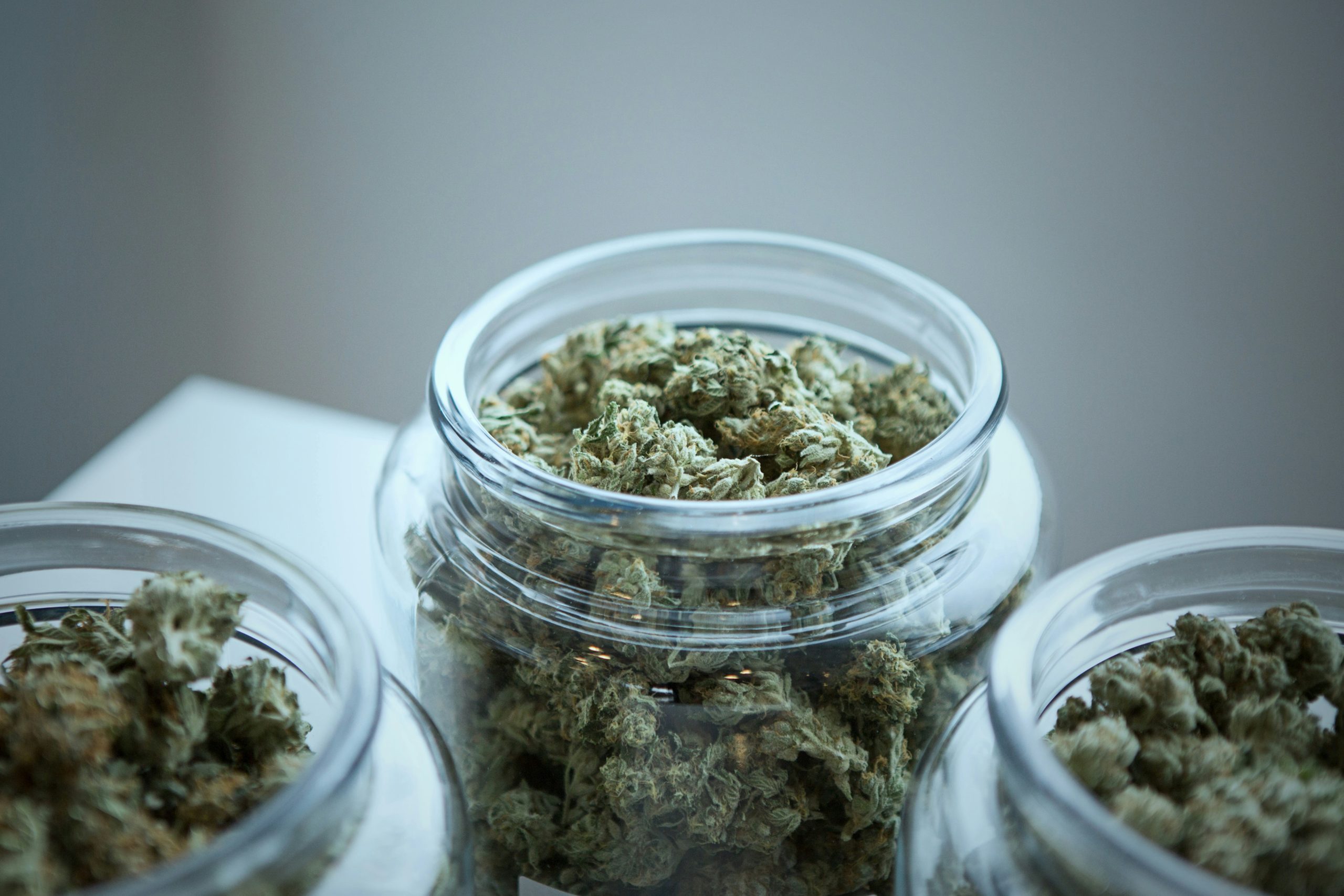
Photo by Budding
How Many Carts, Edibles, or Concentrates Can You Buy at Once?
How many carts, edibles, or concentrates you can buy at once depends on your state’s product rules and your remaining allotment. A vape cart may count as a concentrate, an infused product, or another product category depending on the state. Edibles may count by package weight, THC milligrams, serving size, or total infused-product allowance.
This is why patients should avoid assuming that one cart equals one simple unit everywhere. Cannabis products can count against purchase limits differently from state to state. A small package may contain a high amount of THC, while a larger package may count differently because of product type or equivalency rules.
How Vape Carts Count Toward Your Limit
Vape carts often count differently than flower because they usually contain concentrated cannabis oil. Some states track concentrates separately from flower. Others convert concentrates into a flower-equivalent or marijuana-equivalent unit.
If you are asking how many carts you can buy at once, the answer depends on the cart size, THC content, product category, and your remaining allotment. A dispensary can usually tell you how a specific cart will count in your state’s system before you buy it. This is especially important for patients who also plan to buy flower, edibles, or tinctures during the same visit.
How Edibles Count Toward Your Limit
Edibles may be tracked by THC milligrams, package limits, serving size, or an equivalent cannabis amount. Some states also limit the amount of THC per serving or per package. Medical patients may have access to different edible options than adult-use customers in some states.
If you are buying edibles, check both the product label and your state’s purchase rules. A package with multiple servings may count differently than a single-dose product. If you are new to edibles, Green Health Docs’ guide to medical marijuana dosing can help explain why serving size, onset time, and THC tolerance matter.
Why Product Equivalencies Matter
Product equivalencies are used when a state needs to compare flower, concentrates, vapes, edibles, and other cannabis products under one limit system. Instead of treating every product as identical, the state may convert each item into a standard unit. This helps dispensaries calculate whether a purchase fits within a patient’s remaining limit.
Equivalencies can be confusing because the product that looks smaller may count more heavily against your allotment. A vape cart or concentrate may reduce your available limit faster than you expect. Ask the dispensary how each product will affect your limit before completing a large purchase.
Where Can You Buy Medical Weed?
Patients with valid medical marijuana cards generally need to buy cannabis from licensed dispensaries in the state where they are registered or otherwise legally allowed to purchase. Licensed dispensaries follow state rules for patient verification, product testing, labeling, and purchase tracking. Buying from an unlicensed source can create legal and safety risks.
Some states allow medical cannabis delivery, online ordering, or pickup reservations, while others require in-person dispensary purchases. Even when online ordering is available, the product usually must stay within the state’s legal cannabis system. Do not assume cannabis can be shipped across state lines just because two states have legal cannabis programs.
If you are looking for regulated cannabis access, Green Health Docs’ dispensary resources can help patients understand where medical cannabis products may be available. You can also check your state cannabis agency’s website for licensed dispensary lists.
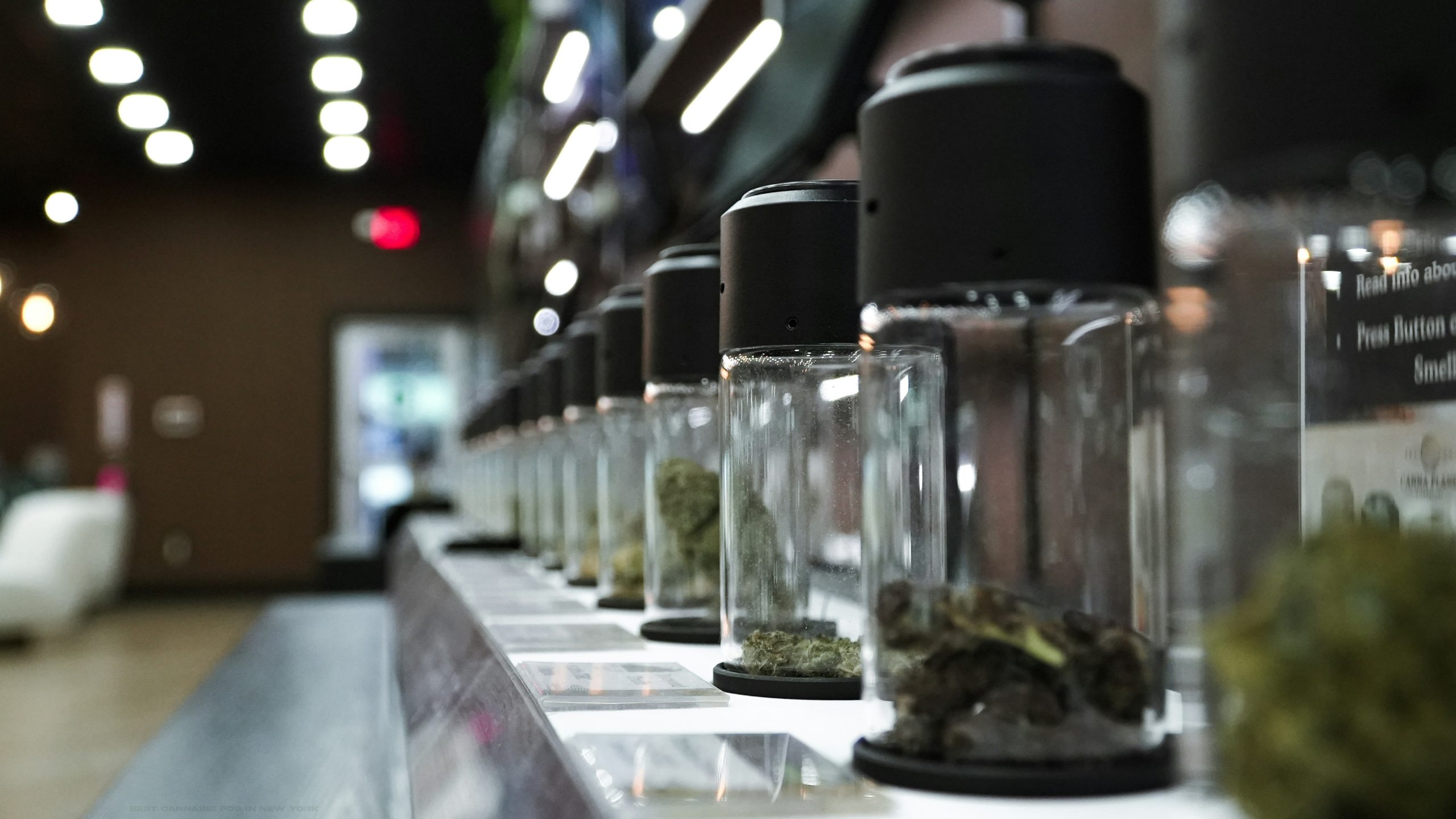
Photo by Cova Software
Is Weed Cheaper With a Medical Card?
Weed may be cheaper with a medical card in some states because medical patients may receive tax advantages, discounts, or access to medical-only pricing. This depends on the state and the dispensary. Some states tax adult-use cannabis more heavily than medical cannabis, while others have different pricing structures.
A medical card may also help patients access products that better match their treatment goals. That may include different potency options, ratios of THC and CBD, larger purchase limits, or staff who are more familiar with medical cannabis needs. The value of a medical card is not only about cost; it can also be about regulated access, product consistency, and patient support.
Patients comparing the cost of getting certified can also review Green Health Docs’ guide to medical marijuana card costs for more context on doctor evaluations, state fees, and renewal expenses.
What To Know Before Your First Dispensary Visit
Before your first dispensary visit, make sure your medical card, certification, and state registration are active. Bring a valid government-issued ID, your medical card or digital certification if required, and any caregiver documentation if someone else is helping you purchase. If your state has a patient portal, check your available allotment before you go.
It also helps to know what type of product you want before you arrive. Flower, carts, edibles, concentrates, tinctures, and topicals may count differently toward your limit. If you are unsure, ask dispensary staff how each product affects your allotment before you check out.
If you plan to travel, be extra cautious. Medical marijuana reciprocity varies by state, and a card from one state may not be accepted in another. Green Health Docs’ guide to flying with medical marijuana explains why patients should be careful before packing cannabis products for air travel.
Key Takeaways
- Medical card limits vary by state, product type, patient status, and purchase timeframe.
- The best way to check your medical card limit is usually through your state patient portal, a licensed dispensary, or your physician certification.
- Purchase limits control how much cannabis a dispensary can sell you, while possession limits control how much you can legally have.
- Visiting more than one dispensary in a day usually does not reset your purchase limit.
- You may be able to go to the same dispensary twice in one day, but your total purchases still must stay within the legal limit.
- Vape carts, concentrates, edibles, and flower may count differently toward your allotment.
- Rolling limits do not always reset at midnight or on the first day of the month.
- A medical marijuana card may provide benefits, but it does not allow patients to exceed state limits or cross state lines with cannabis.
Photo by Testeur de CBD
FAQs About Weed Limits, Dispensary Visits, and Medical Cards
What Happens If I Try To Buy More Than My Medical Card Limit?
If you try to buy more than your medical card limit allows, the dispensary will usually decline the purchase or reduce the order to an amount that fits within your remaining allotment. This can happen even if you have a valid medical card and are buying from a licensed dispensary. The dispensary may be required to check your remaining limit before completing the sale. If the system shows that you do not have enough allotment left, the transaction may not go through.
Trying to exceed your limit repeatedly can create problems, especially if it suggests that you are intentionally attempting to bypass state rules. In most cases, the immediate result is a declined sale rather than a dramatic legal event, but patients should still take purchase limits seriously. State cannabis programs can set penalties for misuse, and dispensaries may also have their own compliance rules. If you believe your allotment is incorrect, contact the state program, your provider, or the dispensary before trying to make another purchase.
Does My Medical Card Limit Reset Every Day?
Not always. Some cannabis programs use daily limits, but many medical marijuana systems use rolling limits or supply-period limits instead. A rolling limit means your purchases remain on your record for a set number of days before they fall off and make more allotment available. In that type of system, your limit may not reset at midnight or on the first day of the month.
This is why checking your remaining allotment matters more than guessing when your limit resets. If you bought cannabis recently, that purchase may still count against your current limit. The exact reset timing depends on your state’s rules and how its tracking system calculates purchases. A dispensary or patient portal can usually give you a clearer answer than relying on memory.
Can My Caregiver Use My Medical Marijuana Allotment?
A registered caregiver may be able to purchase medical cannabis on behalf of a patient, depending on the state’s rules. In many programs, caregiver purchases count against the patient’s allotment rather than creating a separate purchase limit. This helps prevent duplicate purchasing while still allowing patients to receive help from someone they trust. Caregiver rules can vary significantly by state, so patients should confirm how their program tracks caregiver purchases.
Patients should also make sure caregiver information is current in the state system. If a caregiver registration has expired, is incomplete, or is not connected to the patient properly, the dispensary may not be able to complete the sale. Caregivers should bring the required identification, caregiver card, and any documentation the state requires. If there are multiple caregivers, patients should be especially careful to track purchases so they do not accidentally use more allotment than expected.
Can I Combine Medical and Recreational Purchases To Get More Weed?
You should not assume that combining medical and recreational purchases allows you to exceed legal limits. Some states may allow a person to participate in both systems under certain circumstances, while others may restrict how medical patients purchase once they are registered. Even when both programs exist, the state may still track purchases in ways that prevent patients from using one system to bypass the other. The safest approach is to ask the dispensary how your state treats medical and adult-use purchases before buying.
This question is especially important in states with both recreational and medical cannabis. A medical card may give you different tax treatment, product access, or purchase limits, but it does not necessarily create a second separate allowance. If you try to use both systems to buy more than allowed, the dispensary may decline the sale. If you need more cannabis for medical reasons, ask your certifying provider whether your state allows a higher medical allotment.
Can My Doctor Increase My Medical Marijuana Purchase Limit?
In some states, a certifying provider may be able to recommend or authorize a higher medical marijuana purchase limit. This usually depends on the state program, the patient’s medical needs, and whether the law allows exceptions to the standard allotment. Some states have a formal process for increased limits, while others do not. Your provider cannot simply override state law if the program does not allow it.
If you believe your current allotment is not enough, speak with your medical marijuana doctor or certifying provider before trying to buy more than your limit. Explain your symptoms, current products, dosing schedule, and how long your supply lasts. The provider may recommend a different product, dosing approach, or certification update if state rules allow it. Green Health Docs can help qualifying patients understand the certification process and what questions to ask during a medical marijuana evaluation.
Can I Bring Cannabis Bought in One Legal State Into Another Legal State?
No, you should not assume that cannabis can be transported from one legal state into another. Even if both states have medical or adult-use cannabis programs, crossing state lines with marijuana can create legal risk. State cannabis laws generally apply within that state’s regulated system, not across the entire country. Federal rules and transportation laws can also create complications.
This matters for patients who travel with medical cannabis. A medical card may help you access cannabis in some states with reciprocity, but that is different from carrying cannabis across state lines. If you need medical cannabis while traveling, check the destination state’s medical marijuana reciprocity rules and purchase options before you go. Green Health Docs’ guide to flying with medical marijuana explains why travel with cannabis requires extra caution.
Do All Dispensaries See the Same Remaining Limit?
In many regulated medical cannabis systems, dispensaries can access a shared state tracking system or patient registry that shows whether a patient has available allotment. This helps prevent patients from exceeding purchase limits by visiting multiple stores. The exact system varies by state, and there may be delays or differences in what each dispensary can see. However, patients should not count on separate dispensaries having separate limits.
If you recently purchased cannabis and are not sure what remains, ask the next dispensary to check before you build an order. This can save time and avoid frustration at checkout. It also helps you plan purchases across different product types, especially if you are buying carts, concentrates, edibles, and flower in the same supply period. Keeping your receipts and checking your portal can also help you understand how each purchase affects your limit.
What Should I Bring to the Dispensary To Avoid Purchase-Limit Problems?
Bring a valid government-issued ID, your medical marijuana card or digital certification if your state requires one, and any caregiver documents if someone is purchasing for you. You should also know your patient portal login or check your allotment before leaving home. If your certification includes product restrictions, dosing limits, or a supply period, make sure you understand those details before shopping. A little preparation can prevent surprises at checkout.
It is also helpful to bring questions. Ask how a cart, edible, concentrate, tincture, or flower purchase will count against your remaining limit. Ask whether your state uses a rolling window and when your next allotment becomes available. If you are new to cannabis products, ask about serving size, onset time, and product labels so you can choose a purchase that fits your needs and stays within your limit.
Photo by CRYSTALWEED cannabis
Related Reading
- Top 8 Benefits of a Medical Marijuana Card
- How To Read Medical Marijuana Labels
- Medical Marijuana Dosing
- MMJ Reciprocity: Can I Use My Medical Card in Another State?
- Can You Fly With Medical Marijuana? TSA Medical Cannabis Rules
- How Much Does a Medical Marijuana Card Cost?
- Marijuana Schedule III Update
- Medical Marijuana Card Online
- Dispensaries
Get Help Applying for a Medical Marijuana Card
Understanding medical marijuana limits can be confusing, especially when every state uses its own rules for allotments, product types, purchase windows, and dispensary tracking. A medical card may help qualifying patients access regulated cannabis products, but patients still need to understand how their state tracks purchases and possession.
If you are considering medical marijuana or need help renewing your certification, Green Health Docs can make the process easier. Apply online for a medical marijuana card today to speak with a licensed medical marijuana doctor and learn whether you qualify in your state.
 This article has been reviewed by Dr. Anand Dugar, an anesthesiologist, pain medicine physician and the founder of Green Health Docs. Graduating from medical school in 2004 and residency in 2008, Dr. Dugar has been a licensed physician for almost 20 years and has been leading the push for medical cannabis nationwide.