
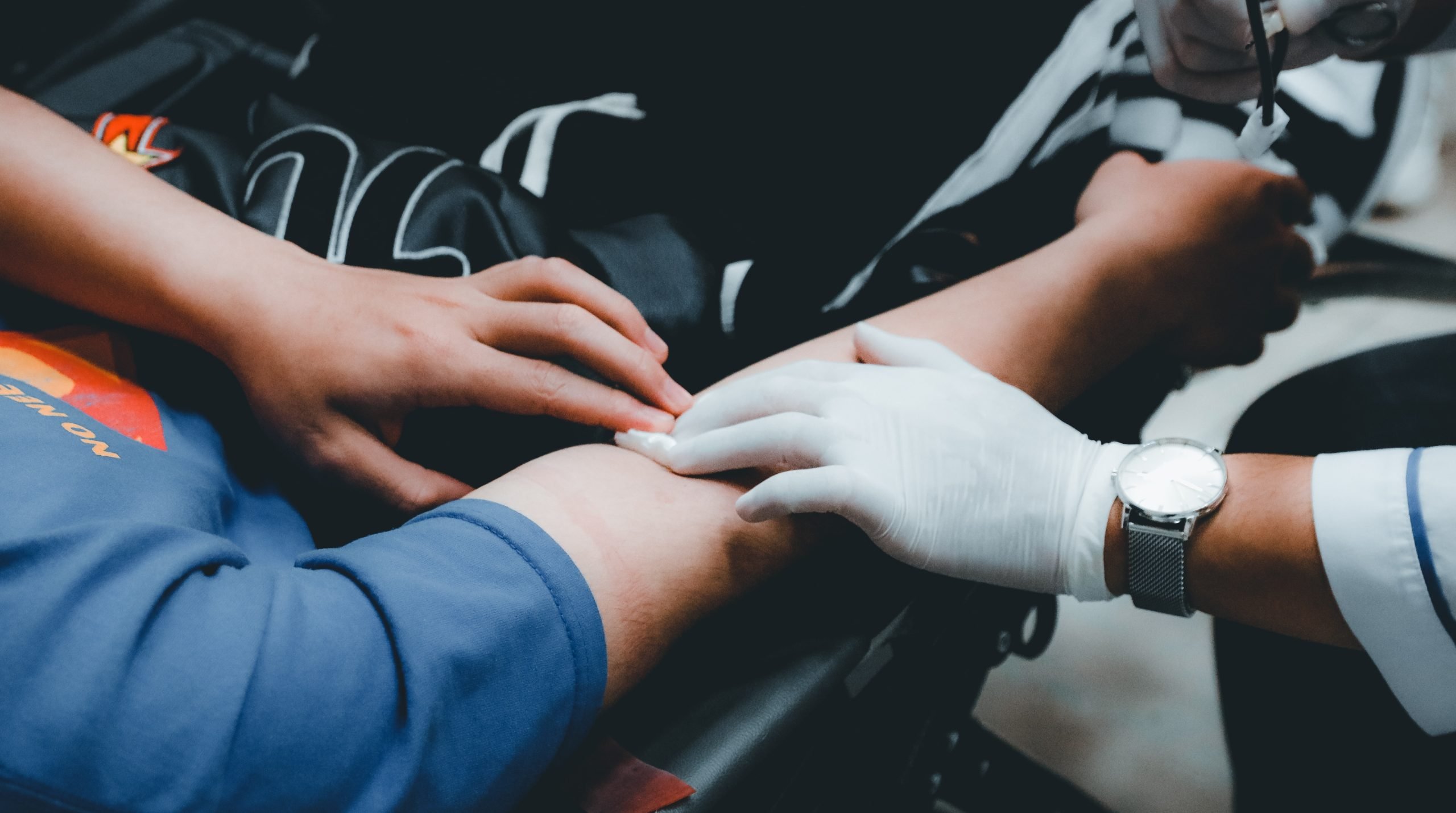
Can You Donate Plasma If You Smoke Weed? Rules and Drug Tests
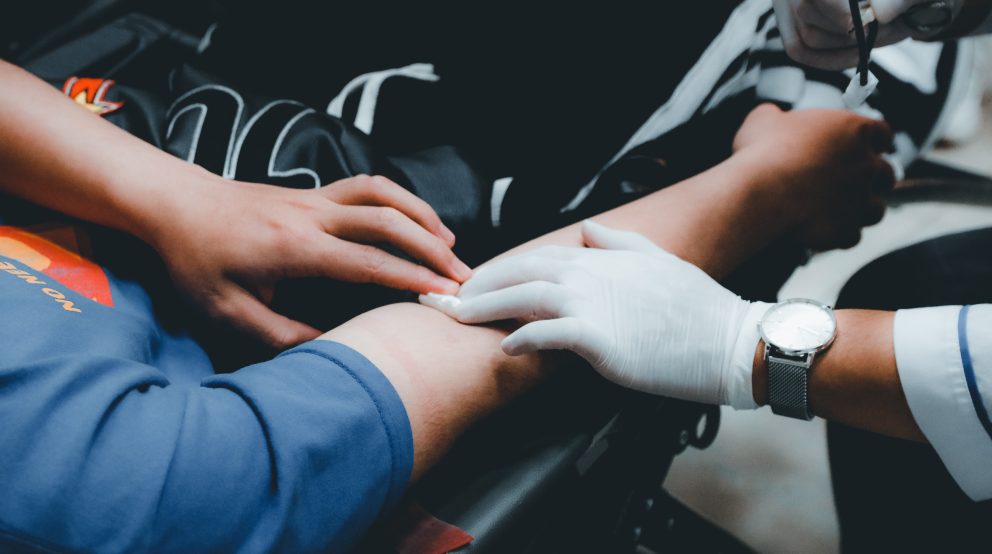
Photo by Nguyễn Hiệp
Executive Summary
Yes, you can usually donate plasma if you smoke weed, as long as you are not intoxicated at the appointment and you otherwise meet the donation center’s eligibility rules. Cannabis use by itself does not automatically disqualify most donors, but you still need to be alert, able to consent, able to answer screening questions honestly, and healthy enough to donate safely. Donation centers may turn you away if you appear impaired, if your vital signs are outside the acceptable range, or if something in your medical history, medication list, or recent activities affects your eligibility.
Most plasma centers are not looking for marijuana use the way an employer drug test might. Instead, they screen donors for safety, health history, infectious disease risk, medications, vital signs, recent tattoos or piercings, and other factors that could affect the donor or the plasma supply. This guide explains whether you can donate plasma if you smoke weed, whether plasma centers drug test, what disqualifies you from donating plasma, what medications may matter, and what to do before and after donating if you use cannabis.
If you use medical marijuana, it is especially important to plan ahead. You should avoid showing up high, be honest during the screening process, and ask the donation center if you are unsure about cannabis, Delta-8, medications, or a medical condition. Donation rules can vary by center, so this article is for general education and should not replace the guidance of your plasma center, blood center, or healthcare provider.
Apply for a Medical Marijuana Card Online Today
Join over 100,000 patients who have chosen Green Health Docs as their medical cannabis doctors. We have a 99% approval rate and offer a 100% money back guarantee!
Can You Donate Plasma If You Smoke Weed?
In most cases, smoking weed does not automatically prevent you from donating plasma. The main issue is whether you are sober, clear-headed, and healthy enough to safely complete the donation process. Plasma donation requires consent, screening questions, needle placement, monitoring, and post-donation recovery, so donation staff need to know that you can understand instructions and respond if you feel dizzy, faint, anxious, or unwell.
That means you should not donate plasma while high. Even if marijuana is legal in your state or you use cannabis as a medical marijuana patient, intoxication may affect your memory, comprehension, coordination, heart rate, blood pressure, or ability to follow instructions. If the donation center believes you are impaired, they may defer you from donating that day.
This is different from being disqualified simply because you use cannabis. A donor who smoked weed in the past but arrives sober, feels well, and passes the standard screening may still be eligible. The safest approach is to contact the plasma center before your appointment if you are unsure how long to wait after cannabis use.
Can You Donate Plasma If You Have a Medical Marijuana Card?
Having a medical marijuana card does not usually disqualify you from donating plasma. A card shows that you are authorized under your state’s medical cannabis program, but donation eligibility is still based on your condition at the appointment, your health history, your medications, and the donation center’s rules. You should still avoid donating while impaired, even if your cannabis use is doctor-recommended or legal in your state.
Medical marijuana patients may also need to think about the condition they use cannabis to manage. For example, a patient may use cannabis for pain, nausea, anxiety, sleep, or another qualifying condition, but the donation center may need to know whether that underlying condition affects donor safety. If you are unsure whether your diagnosis or treatment plan matters, ask the center before donating.
A medical card can still be useful for legal access and patient protection. Green Health Docs explains more about patient access, regulated products, and other potential advantages in its guide to the benefits of having a medical marijuana card.
Can You Donate Plasma If You Use Delta-8 or Other Hemp Products?
Delta-8 THC, Delta-10 THC, hemp-derived THC products, and other intoxicating hemp products should be treated carefully before plasma donation. Even if a product is sold outside a medical marijuana dispensary, it may still affect your judgment, coordination, memory, heart rate, blood pressure, or anxiety level. Donation centers are primarily concerned with whether you can safely consent, complete screening, and donate without added risk.
Do not assume that Delta-8 is irrelevant because it is hemp-derived. If it makes you feel high, impaired, lightheaded, anxious, or sedated, it can create the same practical problem as marijuana before a donation appointment. Green Health Docs’ guide to what Delta-8 THC is explains why these products may still produce psychoactive effects.
If you recently used a Delta-8 edible, vape, tincture, or gummy, wait until you are fully sober before donating. If you are unsure how the donation center treats hemp-derived THC products, call ahead and ask.
Can You Donate Blood If You Smoke Weed?
In general, cannabis use alone does not automatically prevent someone from donating blood. As with plasma donation, the important point is that you should not donate while impaired. Blood donation staff need donors to understand the consent process, answer screening questions accurately, and recognize how they are feeling during and after the donation.
Blood donation and plasma donation are not identical, and each donation center may have its own process. If your main question is about whole blood donation rather than plasma, Green Health Docs has a separate guide on whether you can donate blood if you smoke weed. That topic overlaps with plasma donation, but the eligibility process and donation experience are not always the same.
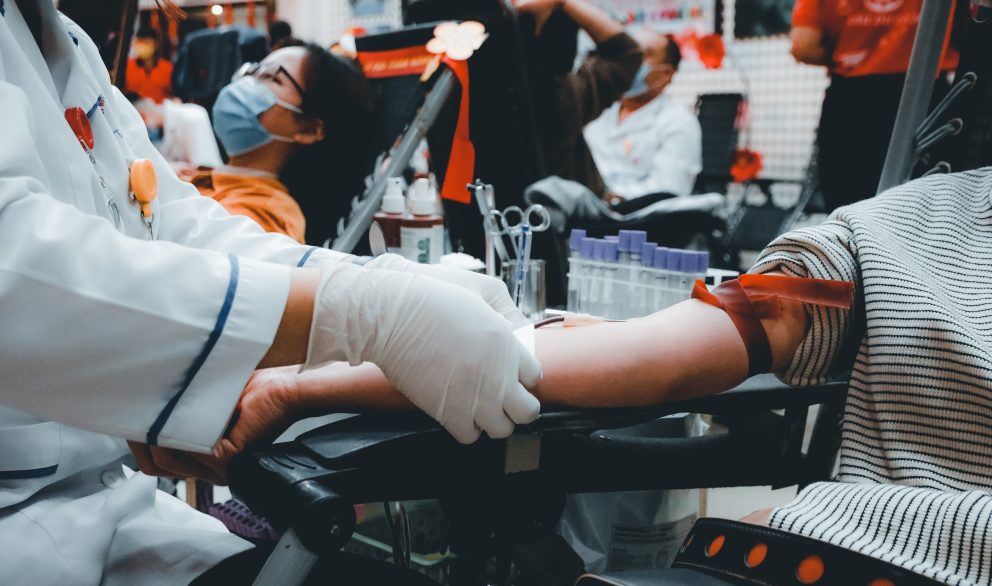
Photo by Nguyễn Hiệp
Do Plasma Centers Drug Test?
Most plasma centers are not drug testing donors for marijuana in the way people often imagine. You will typically go through a health screening, medical history questions, vital sign checks, and infectious disease screening, but that does not mean every donor is being tested for THC. Plasma centers are focused on donor safety, recipient safety, and whether the collected plasma can be used for approved medical purposes.
However, you should still answer screening questions honestly. Donation centers may ask about drug use, medications, medical conditions, and behaviors that affect eligibility. If you are dishonest during screening, you may put yourself, donation staff, or patients who rely on plasma-derived therapies at risk.
Do They Test for Marijuana When You Donate Plasma?
Plasma centers generally do not need to test every donor for marijuana use to determine eligibility. Cannabis use by itself is not usually the issue. The issue is whether you are intoxicated, whether you can consent, and whether any other health or behavior factor affects your ability to donate safely.
That said, donation-center policies can vary. A specific center may have its own procedures, and staff may defer someone who appears impaired or cannot complete screening appropriately. If you are worried about a particular center’s rules, call before your appointment rather than guessing.
What Do Plasma Centers Screen For?
Plasma centers screen for factors that could affect donor safety, plasma quality, or patient safety. That can include your age, weight, identification, health history, vital signs, recent illness, medications, travel, tattoos or piercings, and risk factors for infectious diseases. They may also check your arms and veins to make sure donation can be completed safely.
Screening is not meant to punish people for cannabis use. It is meant to determine whether donation is safe that day. You can be deferred for reasons that have nothing to do with marijuana, such as feeling sick, having a fever, having blood pressure outside the acceptable range, taking certain medications, or recently having a tattoo or piercing.
Why Injection Drug Use Is Treated Differently
Injection drug use is treated differently from smoking or ingesting cannabis because it can increase concerns about bloodborne infections such as HIV or hepatitis. Donation centers may ask specifically about injected drugs, injected steroids, or injected substances that were not prescribed by a doctor. These questions are part of donor and recipient safety screening.
This does not mean every form of drug use is handled the same way. Smoking marijuana, taking an edible, or using a tincture is not the same risk category as injecting drugs with needles. If a screening question asks about injection drug use, answer it accurately and ask the center for clarification if you are unsure what counts.
What Disqualifies You From Donating Plasma?
Many different factors can disqualify you from donating plasma, either temporarily or permanently. Some deferrals are about how you feel on the day of donation, while others are based on medical history, medications, recent procedures, infection risk, or donation-center requirements. Cannabis use alone may not disqualify you, but it also does not override the rest of the eligibility process.
Common reasons someone may be delayed or turned away include feeling sick, having a fever, having blood pressure or pulse outside the acceptable range, low protein or hemoglobin levels, certain infections, some medications, recent tattoos or piercings, recent injection drug use, or not meeting age, weight, identification, or residency requirements. Exact rules vary by donation type and center.
Health Conditions That May Delay or Prevent Plasma Donation
Certain health conditions may affect plasma donation eligibility. Donation centers often ask about infections, heart or lung problems, cancer history, blood disorders, HIV, hepatitis, recent surgeries, recent transfusions, and other conditions that may affect the donor or plasma supply. Some conditions may require a waiting period, while others may prevent donation entirely.
You do not need to self-diagnose your eligibility before calling a center. If you have a medical condition, the safest step is to ask the plasma center directly and bring any relevant information to your appointment. If the condition is serious, unstable, or currently being treated, it may also be worth asking your healthcare provider whether plasma donation is a good idea.
Vital Signs, Blood Pressure, and Screening Results
Even if you are otherwise eligible, you may be deferred if your screening results are outside the donation center’s acceptable range. Plasma centers may check temperature, pulse, blood pressure, weight, protein, hematocrit, or other screening measures. These checks help protect donors from fainting, dehydration, complications, or unsafe donation conditions.
Cannabis can matter here indirectly. Some people experience changes in heart rate, blood pressure, anxiety, dizziness, or coordination after using THC. If you show up shortly after smoking weed or taking an edible, you may be more likely to feel unwell or have screening results that make donation harder.
Tattoos, Piercings, Travel, and Recent Illness
Recent tattoos or piercings can affect plasma donation eligibility because centers may require a waiting period to reduce infection-related risk. Travel can also matter if you recently visited areas with certain public health concerns. Recent illness, fever, antibiotics, or an active infection can also delay donation until you are well.
These factors are separate from marijuana use. A person who uses cannabis may still be deferred because of a new piercing, recent infection, or travel history. That is why the screening process looks at the whole donor, not just whether someone smokes weed.
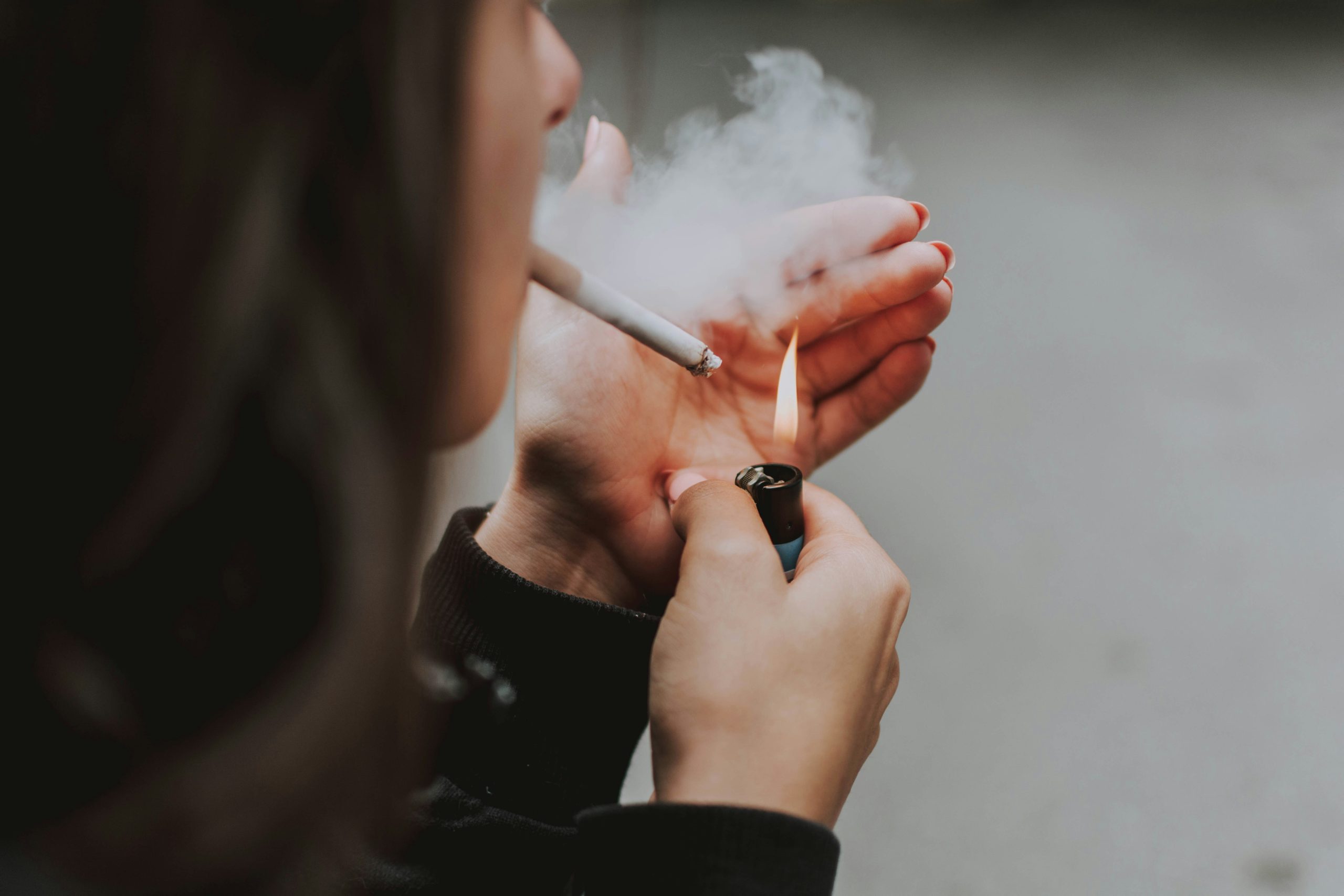
Photo by lilartsy
What Medications Disqualify You From Donating Plasma?
Medications do not always disqualify someone from donating plasma. In many cases, eligibility depends on why the medication is being taken, whether the underlying condition is controlled, and whether donation is safe for the donor and the plasma supply. However, some medications can require a waiting period or prevent donation.
You should not guess or hide medication use. Bring a complete list of prescription medications, over-the-counter drugs, supplements, birth control, hormone therapy, and recent injections to the donation center. Staff can review your list and explain whether anything affects eligibility.
Why the Reason for the Medication Matters
The reason you take a medication can be just as important as the medication itself. For example, a medication used for a stable, controlled condition may be treated differently than the same or similar medication used for an active infection, serious illness, or condition that makes donation unsafe. Donation centers need to understand the full context before deciding.
This is especially important for antibiotics, blood thinners, immune-related medications, HIV prevention or treatment medications, and drugs with known donation waiting periods. Do not stop a medication just so you can donate plasma. If you are taking medication for a medical condition, ask the donation center or your healthcare provider what is safe.
Why You Should Bring a Medication List
A medication list helps the donation center make a faster and more accurate decision. Include the name of each medication, dosage, how often you take it, why you take it, and when you last took it. If you take cannabis products for a diagnosed condition, you can also write down the type of product and timing so you can answer questions clearly.
A list is especially helpful if you take multiple medications or supplements. Many donors forget about over-the-counter drugs, herbal products, injections, or occasional medications when filling out screening forms. Bringing the list reduces the chance of leaving out something important.
Can You Donate Plasma If You Smoke Cigarettes or Vape?
Smoking cigarettes or vaping nicotine does not automatically disqualify someone from donating plasma. However, nicotine can affect heart rate, blood pressure, and how you feel during donation. If smoking or vaping makes you lightheaded, dehydrated, anxious, or short of breath, it could make the donation experience more difficult.
Some plasma centers recommend avoiding tobacco for a period before donation. This helps reduce the chance that your heart rate or blood pressure is temporarily elevated when you are screened. Smoking right after donating may also increase the chance of dizziness or feeling faint.
Cannabis, nicotine, and alcohol can all affect people differently after donation. If you use any of them, give your body time to recover, hydrate, and eat before resuming your normal routine.
Can You Smoke Weed After Donating Plasma?
You may be able to smoke weed after donating plasma, but it is usually smart to wait. Plasma donation can leave some people feeling lightheaded, tired, dehydrated, or more sensitive to substances. Cannabis may feel stronger than usual if your body is already recovering from donation.
If you use medical marijuana, plan your appointment and dosing carefully. Avoid driving while impaired, avoid combining cannabis with alcohol after donation, and choose a lower dose than usual if you are concerned about feeling lightheaded or anxious. Green Health Docs’ guide to medical marijuana dosing can help patients understand why timing, dose, tolerance, and route of use can change the cannabis experience.
Why Cannabis May Feel Stronger After Donating
After plasma donation, your body may need time to rebalance fluids and recover from the appointment. You may also be hungry, tired, or slightly dehydrated. Those factors can make cannabis feel more intense for some people, especially if they smoke, vape, or take a high-THC product soon after donating.
This does not mean cannabis after donation is always dangerous. It means the timing may make your usual dose feel different. If you choose to use cannabis after donating, start slowly, avoid other intoxicants, and pay attention to how your body feels.
How Long Should You Wait To Smoke Weed After Donating Plasma?
There is no one waiting period that applies to every donor and every cannabis product. Some centers recommend avoiding marijuana for a set period before donation, while after-donation advice may depend on how you feel. If you are dizzy, weak, nauseated, faint, or dehydrated, wait until you have recovered before using cannabis.
A practical approach is to eat, hydrate, rest, and make sure you feel steady before smoking or taking an edible. Edibles deserve extra caution because they can take longer to start working and may last longer than inhaled cannabis. If you are unsure what is safe for you, ask your donation center or healthcare provider.
What About Alcohol After Donating Plasma?
Alcohol after plasma donation is usually discouraged because it can worsen dehydration and make dizziness or faintness more likely. Donation centers commonly tell donors to hydrate, eat, and avoid substances that may affect judgment or blood pressure after donation. Alcohol can also combine poorly with cannabis, especially if you are already feeling weak or lightheaded.
If you plan to use cannabis after donating, avoid adding alcohol to the situation. Give your body time to recover first. If you feel unwell after donation, focus on fluids, food, rest, and medical guidance if symptoms are concerning.
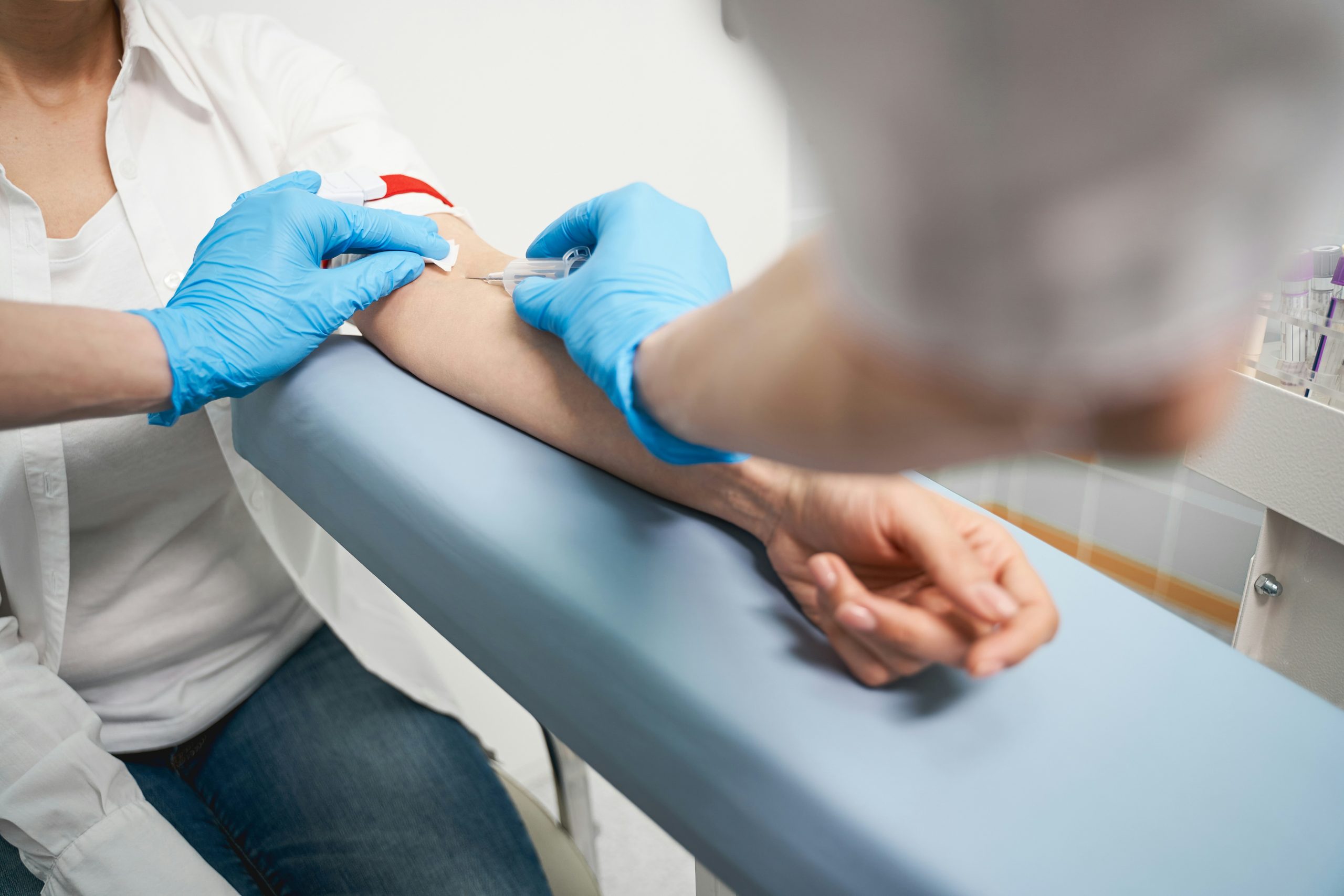
Photo by Getty Images
What Should You Do Before Donating Plasma If You Smoke Weed?
If you smoke weed and plan to donate plasma, avoid cannabis before your appointment long enough to arrive sober and clear-headed. Do not show up high, and do not use cannabis in the parking lot or shortly before screening. You need to be able to consent, answer questions accurately, and follow instructions throughout the donation process.
You should also follow the same basic preparation steps as other donors. Eat a nutritious meal, drink plenty of water, get enough sleep, bring the required identification, and avoid alcohol or substances that may affect your body before donating. If you use cannabis daily for a medical reason, consider scheduling the appointment at a time when you can comfortably wait until after donation.
Be Honest During Screening
Be honest about cannabis use, medications, medical conditions, and any other substances you use. Donation staff are not there to shame you, but they do need accurate information to determine eligibility. If you are unsure how to answer a question, ask for clarification rather than guessing.
This is especially important if you use medical marijuana along with prescription medications. The cannabis itself may not disqualify you, but the condition being treated, the timing of use, or another medication may affect donation. Being honest gives the center the best chance to make the right decision.
Plan Around Your Medical Cannabis Routine
Some patients use medical cannabis on a schedule to manage pain, nausea, sleep, anxiety, or other symptoms. If skipping or delaying a dose may be difficult, plan your donation appointment carefully. You may want to schedule earlier in the day, choose a time when symptoms are usually manageable, or ask your doctor whether donating is appropriate.
Do not take more cannabis than usual before or after donation to “make up” for delaying a dose. That can increase the chance of impairment, anxiety, dizziness, or an uncomfortable high. If you need help understanding how medical cannabis fits into your broader care plan, Green Health Docs can help you speak with a licensed medical marijuana doctor.
Key Takeaways
- Smoking weed does not usually disqualify someone from donating plasma.
- You should not donate plasma while high, impaired, confused, dizzy, or unable to consent.
- Plasma centers generally focus on donor health, infectious disease risk, medications, vital signs, and eligibility screening rather than THC testing every donor.
- Drug testing policies can vary by center, so call ahead if you are worried about a specific plasma center.
- Injection drug use is treated differently from smoking marijuana because of bloodborne infection concerns.
- Medications may or may not affect eligibility depending on the drug, the reason it is prescribed, and the donation center’s rules.
- Delta-8 and other intoxicating hemp products should be treated like cannabis if they impair you.
- After donating plasma, wait until you feel steady, hydrated, and recovered before using cannabis, nicotine, or alcohol.
Photo by Grav
FAQs About Donating Plasma, Weed, and Drug Testing
Should You Tell the Plasma Center You Use Marijuana?
Yes, you should answer screening questions honestly if the plasma center asks about marijuana or other substance use. Cannabis use alone may not disqualify you, but donation staff need accurate information to decide whether you can donate safely that day. They may be more concerned about whether you are impaired, whether you can consent, and whether any other medical or behavioral factors affect eligibility. Being honest also helps avoid confusion if the center asks follow-up questions about medications, health conditions, or recent substance use.
You do not need to volunteer unrelated personal details beyond what the screening process asks, but you should not hide information that is requested. Donation centers screen donors to protect both donors and patients who rely on plasma-derived therapies. If you use medical marijuana, you can explain that you are not currently intoxicated and provide any relevant details about timing if asked. If you feel judged or unsure, ask the staff to explain whether your answer affects eligibility.
Can You Donate Plasma If You Took an Edible Instead of Smoking?
You may be able to donate plasma after taking an edible, but not while you are high or impaired. Edibles can be more unpredictable than smoking because they often take longer to start working and can last for several hours. Someone may feel sober shortly after taking an edible, then become impaired later during the appointment. That timing can create problems with consent, screening, and safety during donation.
If you plan to donate plasma, avoid taking an edible before the appointment. This is especially important for high-THC edibles, unfamiliar products, or doses that have made you anxious, sleepy, dizzy, or confused in the past. If you accidentally took an edible too close to your donation time, it is better to reschedule than risk becoming impaired during the visit. Green Health Docs’ guide to medical marijuana dosing can help patients understand why edible timing and dose can vary so much.
Can You Donate Plasma If You Use Medical Marijuana Every Day?
Daily medical marijuana use does not automatically mean you cannot donate plasma. The more important questions are whether you are sober at the appointment, whether you meet the center’s health requirements, and whether the condition you use cannabis to manage affects your eligibility. Donation staff may also want to know about any medications or treatments you use alongside cannabis. If you are feeling well and can complete screening clearly, cannabis use alone may not be a barrier.
However, daily patients should plan more carefully than occasional users. If skipping cannabis before donation could worsen symptoms, make you nauseated, or leave you unable to sit comfortably, ask your doctor or the donation center for guidance. You should also avoid driving if you use cannabis after the appointment and become impaired. A medical marijuana card can support legal access in your state, but it does not replace donation-center eligibility rules.
Can a Plasma Center Turn You Away Even If Marijuana Is Legal in Your State?
Yes. Marijuana legality and plasma donation eligibility are separate issues. A state may allow medical or adult-use cannabis, but a donation center can still defer you if you appear intoxicated, fail screening, have concerning vital signs, or do not meet its requirements. Legal cannabis use does not guarantee that you can donate on a specific day.
This distinction matters for medical marijuana patients too. You may be allowed to possess and use cannabis under state law while still needing to follow donation-center rules. Plasma centers are responsible for donor safety and plasma safety, so they may apply policies that are more cautious than state cannabis laws. If you are unsure, contact the donation center before your appointment.
Will the Person Receiving Plasma Be Affected by Your Cannabis Use?
Cannabis use by itself is not generally treated as a reason to assume the recipient will be affected. Donation organizations focus on whether the donor is eligible, whether the plasma is safe for medical use, and whether screening requirements are met. The bigger practical concern is whether the donor is impaired at the appointment or whether another eligibility issue is present. That is why donation centers emphasize sobriety, consent, and truthful screening.
You should still avoid donating while high. If a donation center believes THC use could affect donor safety, plasma quality, or the donation process, it may defer you. The recipient’s safety is one reason donation rules exist, but donor safety matters too. Showing up sober and following the center’s instructions is the best way to protect everyone involved.
Can You Donate Plasma If You Used Synthetic Cannabinoids Like K2 or Spice?
Synthetic cannabinoids such as K2 or Spice are different from regulated cannabis products and may be treated more cautiously by donation centers. These products can be unpredictable, may contain contaminants, and may cause stronger or more dangerous effects than marijuana. Some donor organizations treat synthetic cannabinoids separately from cannabis because of concerns about unknown ingredients or anticoagulant contamination. If you have used synthetic cannabinoids, contact the donation center before attempting to donate.
Do not assume that K2, Spice, or other synthetic products count the same as marijuana during screening. If a form asks about drug use or substances, answer honestly and ask staff how the center handles synthetic cannabinoids. You may be deferred depending on timing, symptoms, or the center’s policy. If you feel unwell after using a synthetic cannabinoid, seek medical care rather than trying to donate.
Should You Stop a Prescribed Medication So You Can Donate Plasma?
No, you should not stop a prescribed medication just so you can donate plasma unless your healthcare provider specifically tells you to do so. Some medications may affect donation eligibility, but stopping them suddenly can be dangerous. The condition being treated may also matter more than the medication itself. Donation is important, but it should not come at the expense of your health.
Bring a full medication list to the plasma center and ask staff whether anything affects your eligibility. If a medication creates a deferral, ask whether it is temporary, whether there is a waiting period, and whether you need to speak with your doctor. Never skip blood pressure medication, psychiatric medication, seizure medication, blood thinners, antibiotics, or other prescribed treatment without medical guidance. If you are unsure, call the center before your appointment.
What Should You Bring to Your First Plasma Donation Appointment?
Bring the identification and documents required by the plasma center. Many centers require a government-issued photo ID, proof of address, and proof of Social Security number or similar identifying information. You should also bring a complete medication and supplement list, including dosages and the reason you take each product. If you use medical marijuana, know when you last used it and what type of product you used in case the center asks.
It is also smart to bring water, a snack for after donation if allowed, and clothing that makes it easy to access your arm. Eat before the appointment, hydrate well, and avoid arriving after alcohol, cannabis, or other substances that may make you feel unsteady. If you are nervous, tell the staff that it is your first donation so they can explain the process. A little preparation can make the appointment safer, smoother, and less stressful.
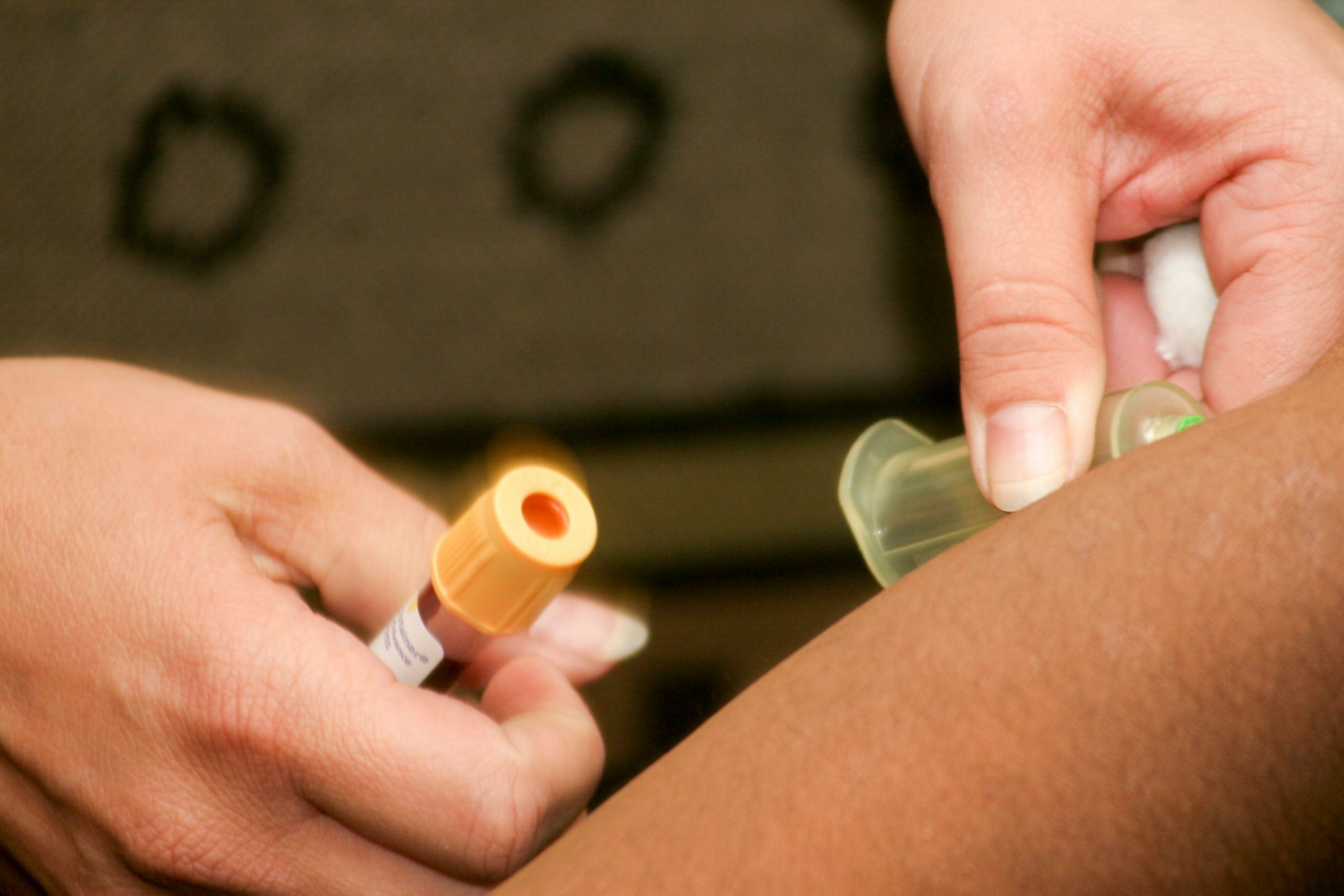
Photo by Hush Naidoo Jade Photography
Related Reading
- Can You Donate Blood If You Smoke Weed?
- What Is Delta-8 THC?
- Medical Marijuana Dosing
- Top 8 Benefits of a Medical Marijuana Card
- Can You Fly With Medical Marijuana? TSA Medical Cannabis Rules
- Marijuana Schedule III Update
- Medical Marijuana Card Online
Apply for a Medical Marijuana Card Online
Smoking weed does not usually disqualify you from donating plasma, but you still need to follow donation-center rules, arrive sober, and be honest during screening. If you use cannabis for medical reasons, having a medical marijuana card can help you access regulated products through your state’s legal medical cannabis program.
Green Health Docs has helped more than 100,000 patients apply for medical marijuana certification. Apply online for a medical marijuana card today to speak with a licensed medical marijuana doctor and learn whether you qualify in your state.
 This article has been reviewed by Dr. Anand Dugar, an anesthesiologist, pain medicine physician and the founder of Green Health Docs. Graduating from medical school in 2004 and residency in 2008, Dr. Dugar has been a licensed physician for almost 20 years and has been leading the push for medical cannabis nationwide.